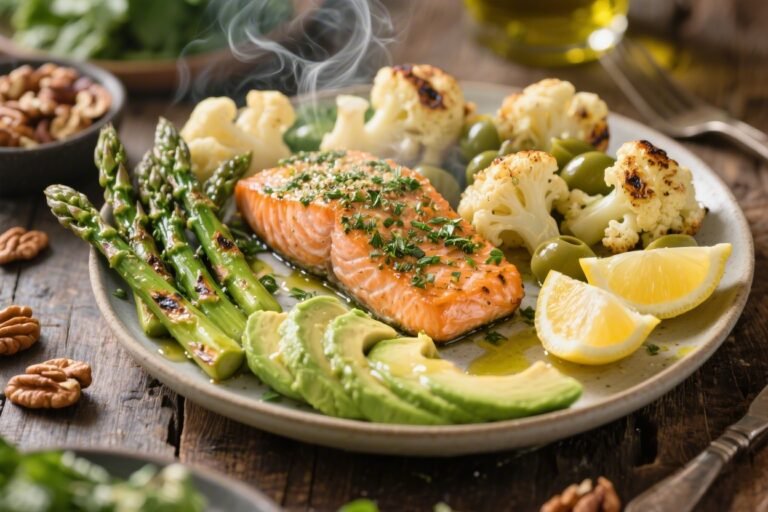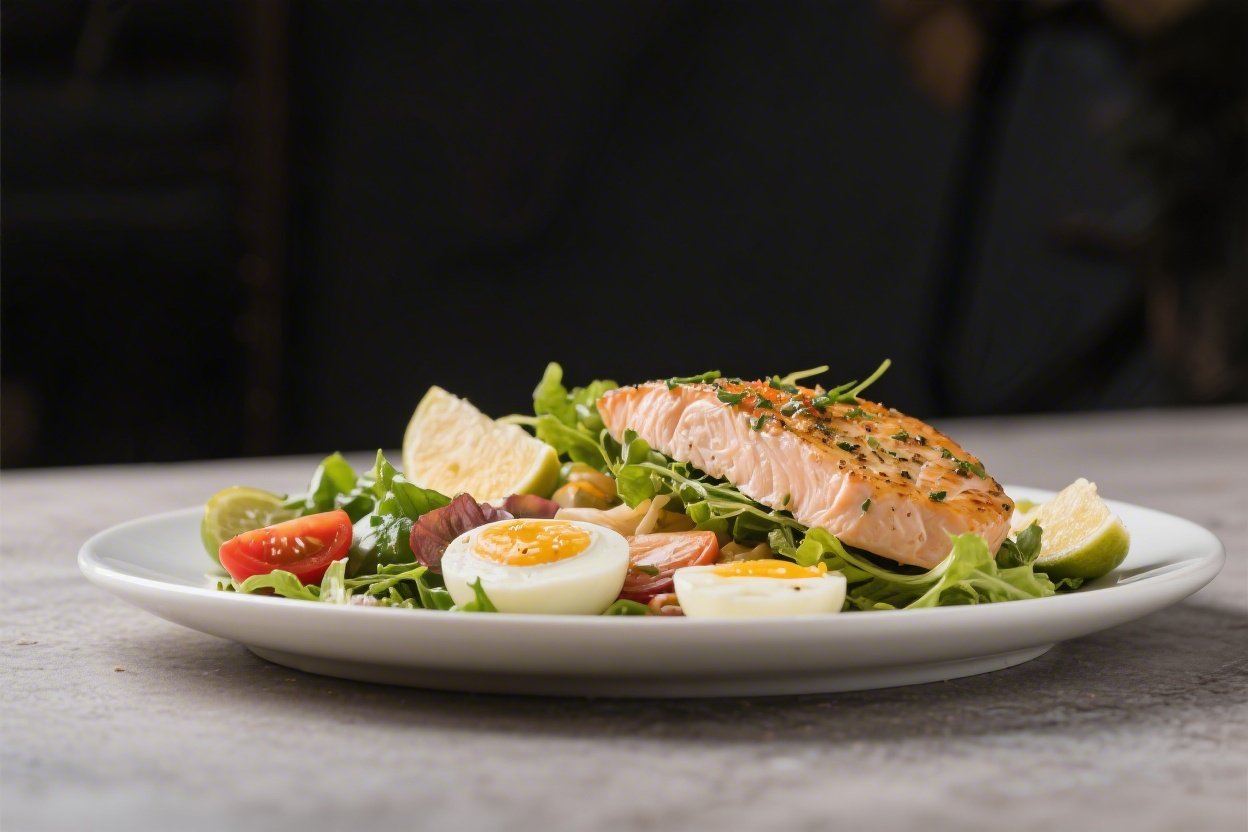

The ketogenic diet is a low-carb, high-fat way of eating that helps your body shift from burning sugar to burning fat. People use it for weight loss, steady energy, and fewer cravings. It focuses on whole foods like meat, fish, eggs, low-carb vegetables, nuts, and healthy fats.
You don’t need fancy products or strict meal prep to get started. With a few swaps and a clear plan, it can fit into busy, everyday life.
Why This Recipe Works
This “recipe” is a straightforward framework for keto-friendly meals that keep carbs low and satisfaction high. By pairing high-quality protein with healthy fats and non-starchy vegetables, you stay full without blood sugar spikes.
The balance supports ketosis, where your body uses fat for fuel. It’s flexible, easy to customize, and built around accessible ingredients you can find in most stores.
Shopping List
- Proteins: Chicken thighs, salmon, ground beef or turkey, eggs, canned tuna, bacon (sugar-free if possible)
- Fats and Oils: Olive oil, avocado oil, butter or ghee, coconut oil, mayonnaise (no added sugar)
- Dairy (optional): Heavy cream, full-fat Greek yogurt (unsweetened), cheddar, mozzarella, Parmesan, cream cheese
- Low-Carb Vegetables: Spinach, kale, arugula, broccoli, cauliflower, zucchini, bell peppers, mushrooms, asparagus
- Flavor Boosters: Garlic, lemon, fresh herbs (basil, parsley), spices (paprika, cumin), salt, pepper
- Nuts and Seeds: Almonds, walnuts, pecans, chia seeds, pumpkin seeds
- Pantry Staples: Sugar-free chicken or vegetable broth, canned coconut milk, sugar-free mustard, apple cider vinegar
- Extras (optional): Avocados, olives, low-carb pickles, sugar-free hot sauce
Step-by-Step Instructions
- Set a carb budget: Aim for 20–50 grams of net carbs per day. Net carbs are total carbs minus fiber and sugar alcohols.
- Plan simple meals: Base each meal on a protein, a low-carb vegetable, and a source of fat.
Keep portions balanced and satisfying.
- Cook a protein: Grill, bake, or pan-sear chicken, fish, or beef. Season with salt, pepper, and a simple spice blend.
- Add vegetables: Sauté zucchini or mushrooms in olive oil, roast broccoli or cauliflower, or toss a fresh salad with leafy greens.
- Include healthy fats: Drizzle olive oil, add a few slices of avocado, or melt butter over cooked veggies. Don’t skip the fat—it’s key on keto.
- Make a quick sauce: Stir together mayonnaise, lemon juice, garlic, and herbs for a fast, creamy dressing or dip.
- Keep snacks handy: Boiled eggs, cheese sticks, olives, nuts, or tuna salad are easy options when hunger hits.
- Hydrate and add electrolytes: Drink water and add a pinch of salt to meals.
Consider broth for sodium and potassium support.
- Watch labels: Choose products without added sugar or starch. Sauces, dressings, and deli meats can be sneaky.
- Adjust and repeat: Track how you feel. If energy dips, check carbs and electrolytes.
Keep meals simple and consistent.
Storage Instructions
- Cooked proteins: Store in airtight containers in the fridge for 3–4 days or freeze up to 2–3 months.
- Roasted vegetables: Refrigerate for 3–4 days. Reheat in a skillet or oven to keep texture.
- Salad components: Keep greens dry in a sealed bag with a paper towel. Store dressings separately for up to a week.
- Sauces and dips: Mayo-based sauces keep 3–5 days in the fridge.
Stir before serving.
- Nuts and seeds: Store in a cool, dark place or refrigerate to prevent oils from going rancid.
Why This is Good for You
- Stable energy: Lower carbs can reduce blood sugar swings, which helps with steady focus and fewer mid-afternoon crashes.
- Feeling full: Protein and fat promote satiety, which can make it easier to manage portions without constant hunger.
- Reduced cravings: Many people notice fewer sugar cravings once they limit refined carbs and boost nutrient-dense foods.
- Flexible for goals: Keto can support weight management and better metabolic markers when paired with whole, minimally processed foods.
Pitfalls to Watch Out For
- Hidden carbs: Watch for sugar in sauces, condiments, and flavored yogurts. Read labels carefully.
- Too little salt: Low-carb eating can lower insulin and increase fluid loss. Without added sodium, you may feel tired or headachy.
- Relying on “keto” products: Many packaged keto snacks are ultra-processed and can stall progress.
Whole foods work better.
- Not enough fiber: Include leafy greens, cruciferous veggies, chia, and nuts to support digestion.
- All-or-nothing mindset: One off-plan meal doesn’t undo everything. Return to your usual routine at the next meal.
Recipe Variations
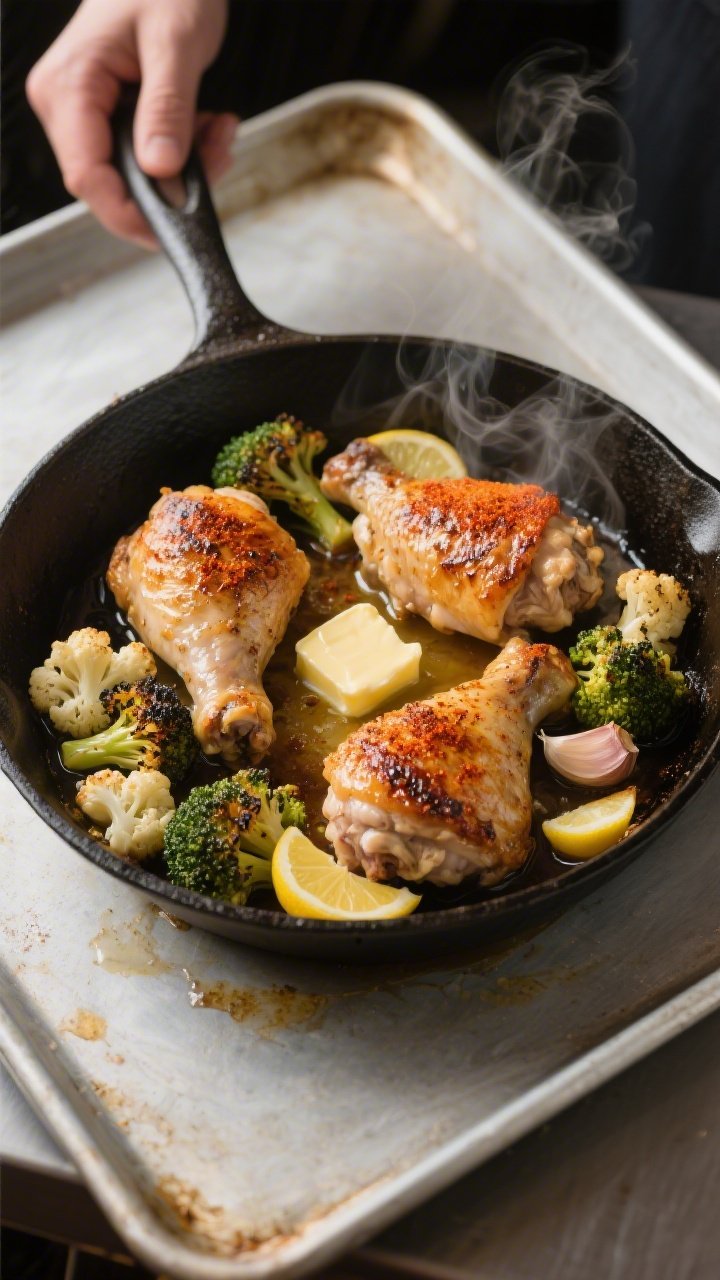
- One-pan chicken and veggies: Roast chicken thighs with broccoli and cauliflower. Finish with butter, lemon, and parsley.
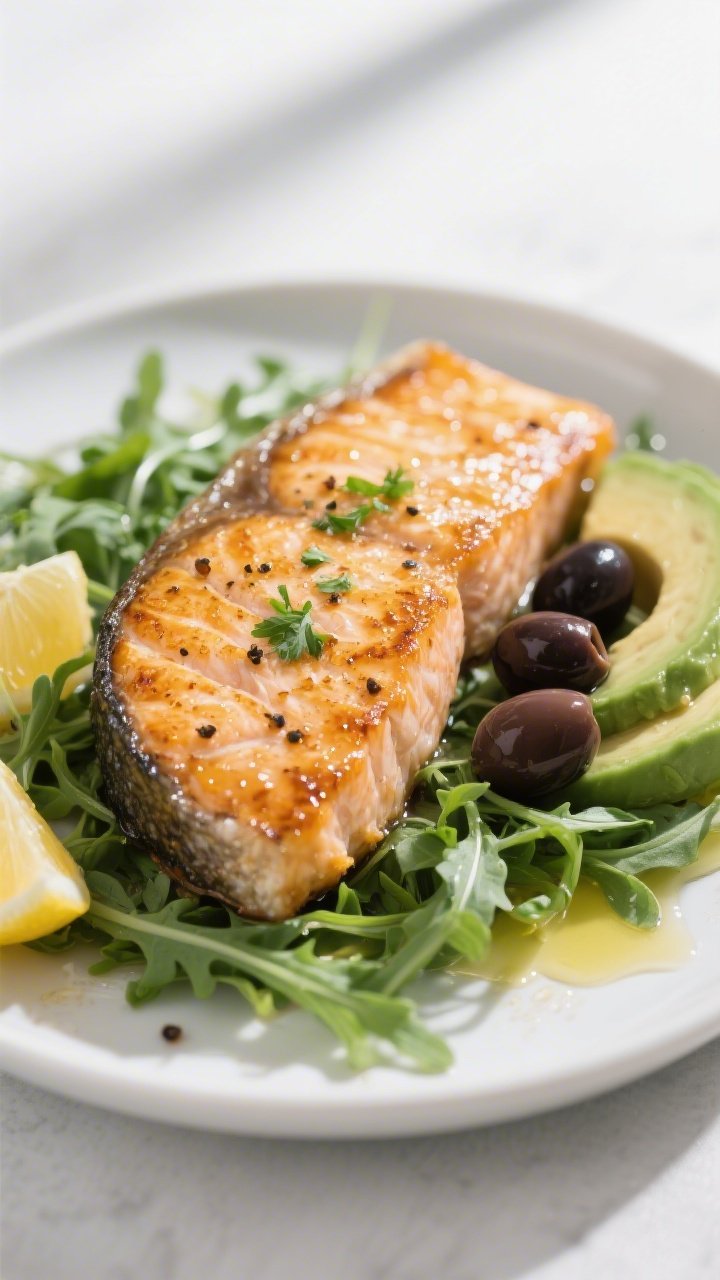
- Salmon bowl: Pan-sear salmon, serve over arugula with avocado, olives, and a lemon-olive oil dressing.
- Egg bake: Whisk eggs with spinach, mushrooms, cream, and cheese.
Bake for easy breakfasts all week.
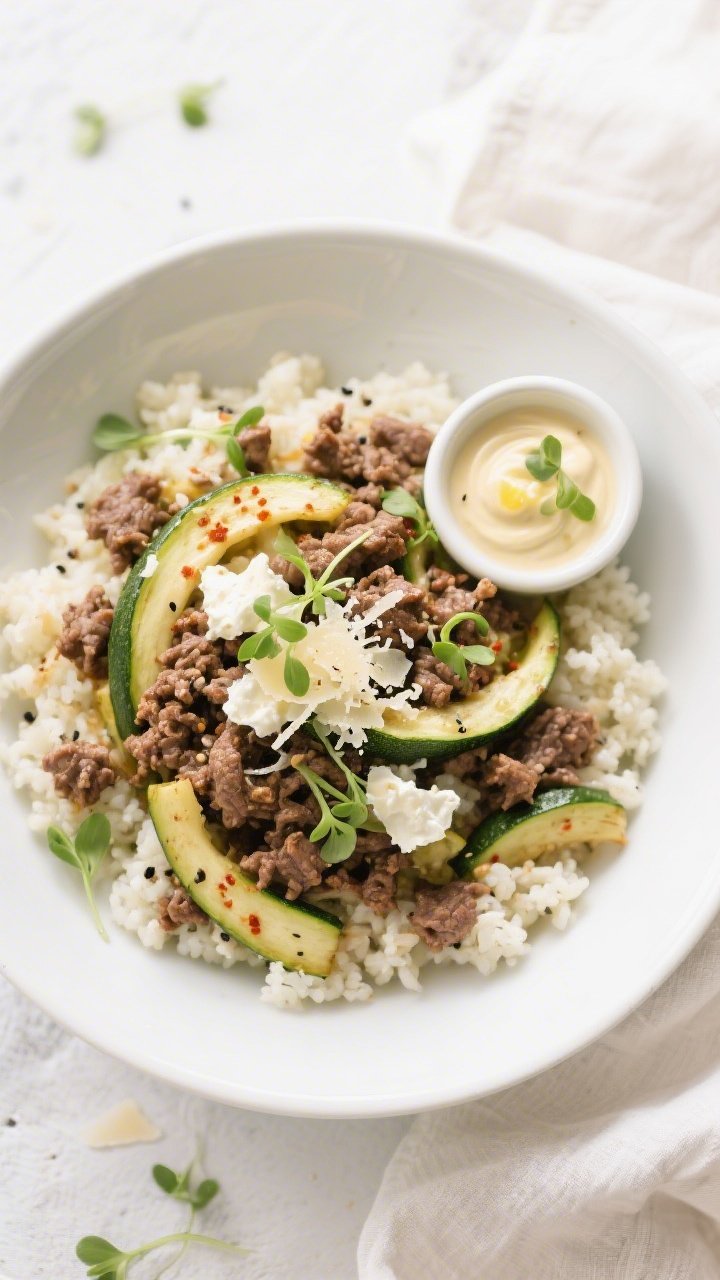
- Beef and zucchini skillet: Brown ground beef with garlic and paprika. Stir in sliced zucchini and a spoon of cream cheese.
- Creamy coconut curry: Simmer chicken or shrimp in coconut milk with curry paste. Add bell peppers and serve over cauliflower rice.
FAQ
How many carbs should I eat on keto?
Most people aim for 20–50 grams of net carbs per day.
Start on the lower end if your goal is to enter ketosis quickly, then adjust based on how you feel and your results.
How long does it take to get into ketosis?
It usually takes 2–4 days of low-carb eating, but it can take up to a week. Staying consistent and managing electrolytes helps ease the transition.
Can I do keto without dairy?
Yes. Use olive oil, coconut milk, avocado, nuts, seeds, and dairy-free sauces.
Focus on meat, fish, eggs, and vegetables.
What about fruit?
Stick to lower-sugar options in small portions, like berries. Avoid bananas, grapes, and tropical fruits if you’re keeping carbs very low.
Do I need to count calories?
Not always. Many people naturally eat less on keto due to increased satiety.
If progress stalls, tracking calories for a short time can help you recalibrate.
Is keto safe long term?
For many healthy adults, a well-formulated keto diet can be safe. If you have medical conditions or take medications—especially for diabetes or blood pressure—talk to your healthcare provider first.
What if I feel tired or get a headache?
This is common early on and often linked to electrolytes. Increase water, add salt to meals, and consider broth or a magnesium supplement if needed.
Can I eat out on keto?
Yes.
Choose grilled meats or fish, swap fries for salad or veg, ask for extra butter or olive oil, and skip sugary sauces and bread.
Will keto affect my workouts?
There may be a short adjustment period. Strength and endurance usually rebound once your body adapts to using fat for fuel. Some athletes add carbs around intense sessions.
How do I know if I’m in ketosis?
Common signs include reduced appetite, steady energy, and clearer focus.
For precision, use blood ketone meters. Breath and urine tests are less accurate but can be a starting point.
Final Thoughts
The ketogenic diet is less about restriction and more about smart swaps. Build meals around protein, healthy fats, and non-starchy vegetables, and keep carbs in a comfortable range.
Stay mindful of electrolytes, choose whole foods most of the time, and keep your routine simple. With a bit of planning and consistency, keto can be a practical, satisfying way to eat.
Printable Recipe Card
Want just the essential recipe details without scrolling through the article? Get our printable recipe card with just the ingredients and instructions.