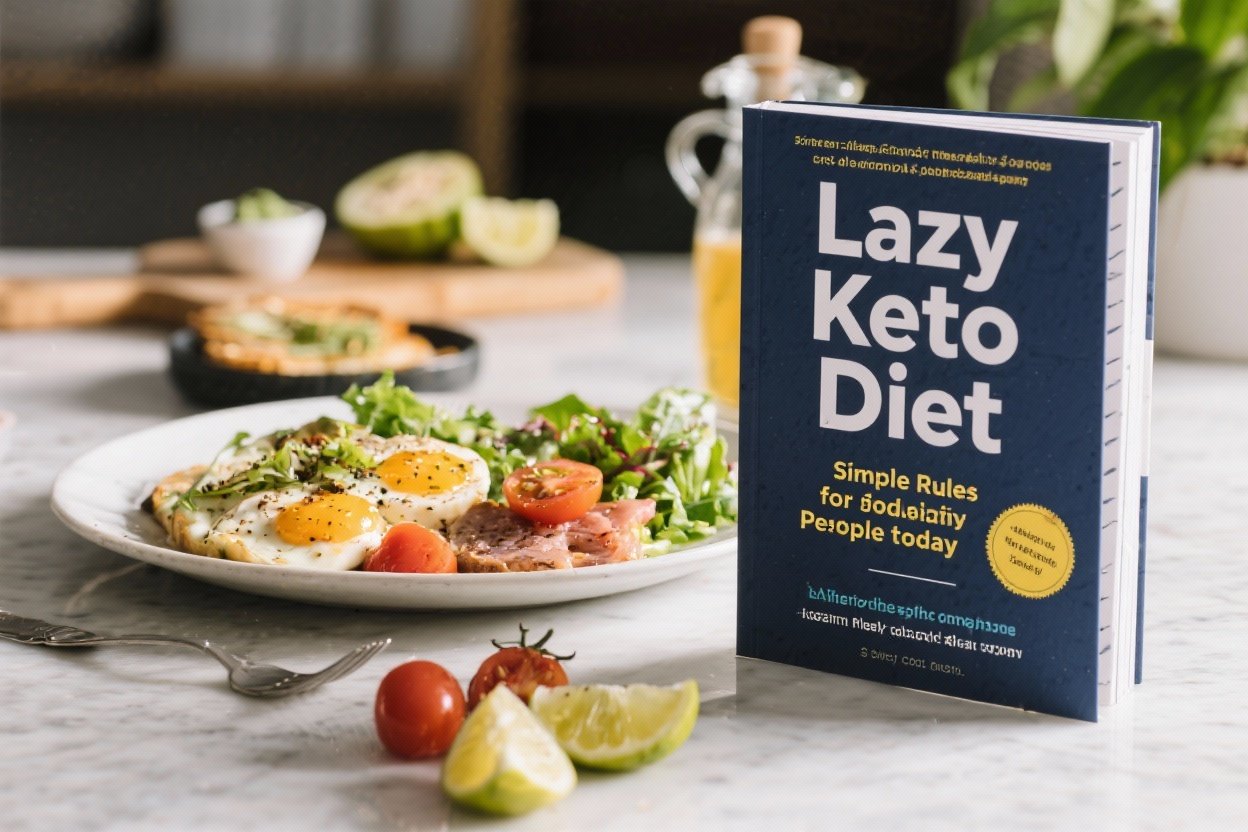

If you like the idea of keto but don’t have time to track every gram of macros, lazy keto can be a good fit. It focuses on keeping carbs low without obsessing over protein and fat targets. You still get many of the benefits of keto with less stress and math.
This approach is practical, budget-friendly, and realistic for busy schedules. If you want simple rules you can follow today, this guide will help you get started right away.
What Makes This Recipe So Good
- It’s simple: You only track net carbs, not every macro. That means less time logging and more time living.
- It’s flexible: You can eat at home, at work, or on the go.
There’s no fixed meal timing or fancy recipes required.
- It fits real life: You can shop at any grocery store and eat at most restaurants with a few smart swaps.
- It’s forgiving: If you go over on carbs one day, you just get back on track the next. No guilt spiral.
- It can support goals: Many people use lazy keto to help manage weight, steady energy, and reduce cravings.
Shopping List
- Proteins: Eggs, chicken thighs or breasts, ground beef or turkey, salmon or tuna (fresh or canned), bacon, sausages with no added sugar, deli meats with minimal fillers, tofu or tempeh.
- Low-carb vegetables: Leafy greens, broccoli, cauliflower, zucchini, mushrooms, asparagus, bell peppers, cucumbers, green beans, Brussels sprouts.
- Healthy fats: Olive oil, avocado oil, butter or ghee, mayonnaise (no added sugar), olives, avocados, nuts (almonds, pecans, macadamias), seeds (chia, pumpkin, sunflower).
- Dairy (if tolerated): Cheese, Greek yogurt (unsweetened), heavy cream, cottage cheese (look for lower-carb options).
- Pantry items: Low-sugar marinara, chicken or beef broth, coconut milk (unsweetened), sugar-free pickles, mustard, hot sauce, soy sauce or coconut aminos.
- Seasonings: Salt, pepper, garlic powder, paprika, chili flakes, Italian seasoning, everything bagel seasoning.
- Convenience snacks: Beef sticks (no added sugar), pork rinds, cheese sticks, nut packs, olives, pre-cut veggie packs, hard-boiled eggs.
- Beverages: Water, sparkling water, coffee, tea, electrolyte powders with no sugar.
Step-by-Step Instructions

- Set a net carb limit. Aim for about 20–50 grams of net carbs per day. Net carbs = total carbs minus fiber and sugar alcohols.
- Build simple meals. Combine a protein, a low-carb veggie, and a fat.
Example: rotisserie chicken, sautéed broccoli, and olive oil drizzle.
- Start your day easy. Keep breakfast simple: eggs and avocado, Greek yogurt with nuts, or a coffee with a splash of cream and a cheese stick.
- Pack grab-and-go options. Keep beef sticks, nuts, olives, and hard-boiled eggs ready so you’re never stuck hungry.
- Swap carbs smartly. Replace rice with cauliflower rice, tortillas with lettuce wraps, and pasta with zucchini noodles or shirataki noodles.
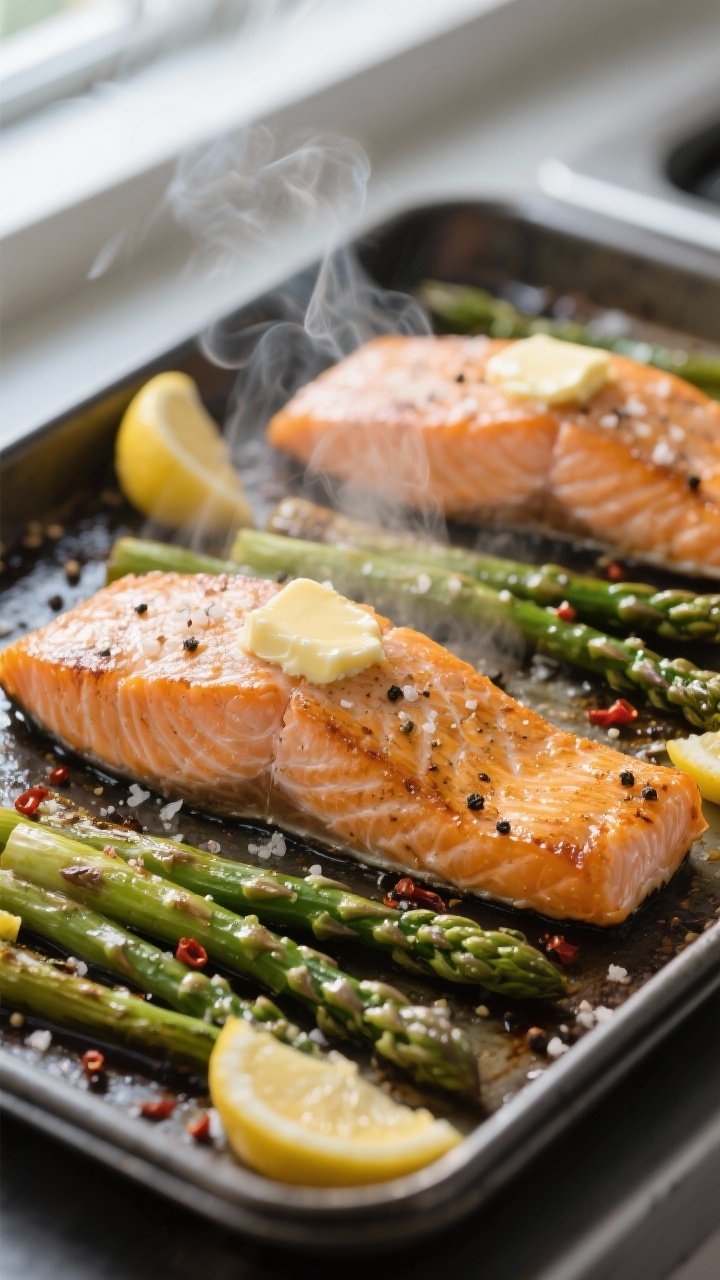
- Use one-pan dinners. Bake chicken thighs with broccoli and olive oil, or sheet-pan salmon with asparagus and butter.
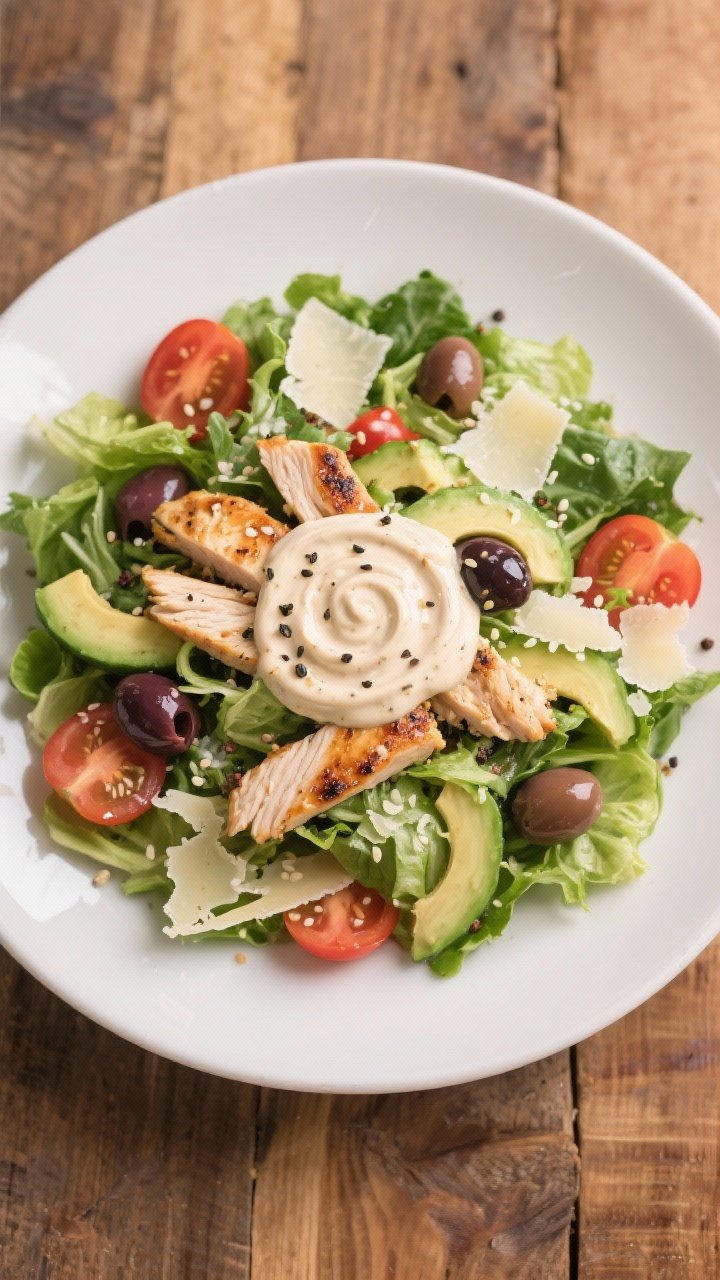
- Make salads substantial. Add protein (chicken, tuna, steak), healthy fats (avocado, olives), and a low-carb dressing.
- Drink enough water and electrolytes. Add salt to meals or use an electrolyte powder to help avoid headaches and fatigue.
- Keep sauces simple. Choose mustard, mayo, hot sauce, and low-sugar marinara. Check labels for hidden sugars.
- Check progress weekly. Notice energy, appetite, and how clothes fit. Adjust carbs up or down to suit your goals and lifestyle.
How to Store
- Cook once, eat twice: Batch-cook proteins (chicken, ground beef, hard-boiled eggs) and store in airtight containers for 3–4 days.
- Prep veggies: Wash, chop, and keep low-carb veggies in sealed containers with paper towels to manage moisture.
- Freeze smart: Freeze cooked meats, soups, and sauces in portion sizes.
Label with date and contents.
- Snack station: Pre-portion nuts, pork rinds, and olives into small bags or containers so they’re grab-ready.
- Dressings and sauces: Store homemade dressings in jars for up to a week. Shake before using.
Health Benefits
- Reduced sugar swings: Lower carb intake may help steady blood sugar and reduce afternoon crashes.
- Fewer cravings: Many people report less hunger and fewer sweet cravings when they cut back on carbs.
- Possible weight support: Keeping carbs low can naturally lower calorie intake for some people.
- Better focus and energy: Once adapted, you may feel more steady energy throughout the day.
- Simplicity helps consistency: Because lazy keto is less demanding, it can be easier to stick with.
What Not to Do
- Don’t ignore quality. Lazy doesn’t mean junk. Avoid ultra-processed meats full of fillers and added sugars.
- Don’t forget fiber. Include leafy greens, non-starchy veggies, chia seeds, and nuts to support digestion.
- Don’t rely only on bacon and cheese. Balance meals with vegetables, lean proteins, and healthy fats.
- Don’t skip electrolytes. Low-carb eating can flush sodium and potassium.
Use salt and consider magnesium.
- Don’t assume zero-carb means healthy. Check labels for additives, seed oils you prefer to limit, and hidden sugars.
- Don’t over-restrict. If 20g net carbs is too hard, try 30–40g. Consistency beats perfection.
Alternatives
- Dirty keto: Similar to lazy keto but often includes more processed foods. Fast, but less nutrient-dense.
- Clean keto: Focuses on whole foods, quality fats, and plenty of non-starchy veggies with stricter tracking.
- Low-carb, not keto: Keep carbs moderate (50–100g/day) for flexibility while reducing sugar spikes.
- Mediterranean low-carb: Emphasizes olive oil, fish, vegetables, and nuts with moderate carbs.
- High-protein low-carb: Prioritizes protein for satiety while keeping carbs low and fats moderate.
FAQ
How many carbs can I eat on lazy keto?
Aim for 20–50 grams of net carbs per day.
Start around 30 grams if you want a balanced approach, then adjust based on how you feel and your goals.
Do I need to track calories?
Not necessarily. Many people find they eat fewer calories naturally on lazy keto. If progress stalls, you can track for a week to check portions.
Can I eat fruit?
Yes, in small amounts.
Berries like strawberries, raspberries, and blackberries are lower in net carbs. Watch portions to stay within your daily target.
What about eating out?
Choose protein and low-carb sides. Think bunless burgers with cheese and salad, steak with broccoli, or omelets with veggies.
Ask for sauces on the side.
Will I get the keto flu?
Maybe, especially at the start. Help prevent it by staying hydrated, salting your food, and getting magnesium and potassium from foods or supplements if needed.
Is lazy keto safe long-term?
For many healthy adults, a well-planned low-carb pattern can be safe. If you have medical conditions, are pregnant, or take medications, talk to your healthcare provider first.
Do I need ketone strips?
No.
They can be interesting for tracking, but lazy keto works fine without testing. Focus on how you feel, energy, and consistency.
Can vegetarians do lazy keto?
Yes. Use eggs, dairy, tofu, tempeh, nuts, seeds, and low-carb veggies.
Add olive oil, avocado, and coconut products for healthy fats.
Wrapping Up
Lazy keto keeps the spirit of keto without the heavy tracking. Keep carbs low, build simple meals around protein, veggies, and healthy fats, and lean on easy swaps and batch cooking. Stay hydrated, mind your electrolytes, and choose quality foods most of the time.
If you keep it simple and consistent, this approach can fit a busy life and still help you feel your best.

What if the diet that works for your friend… is the worst one for you?
Your genes hold the answer. We decode them in 3 minutes