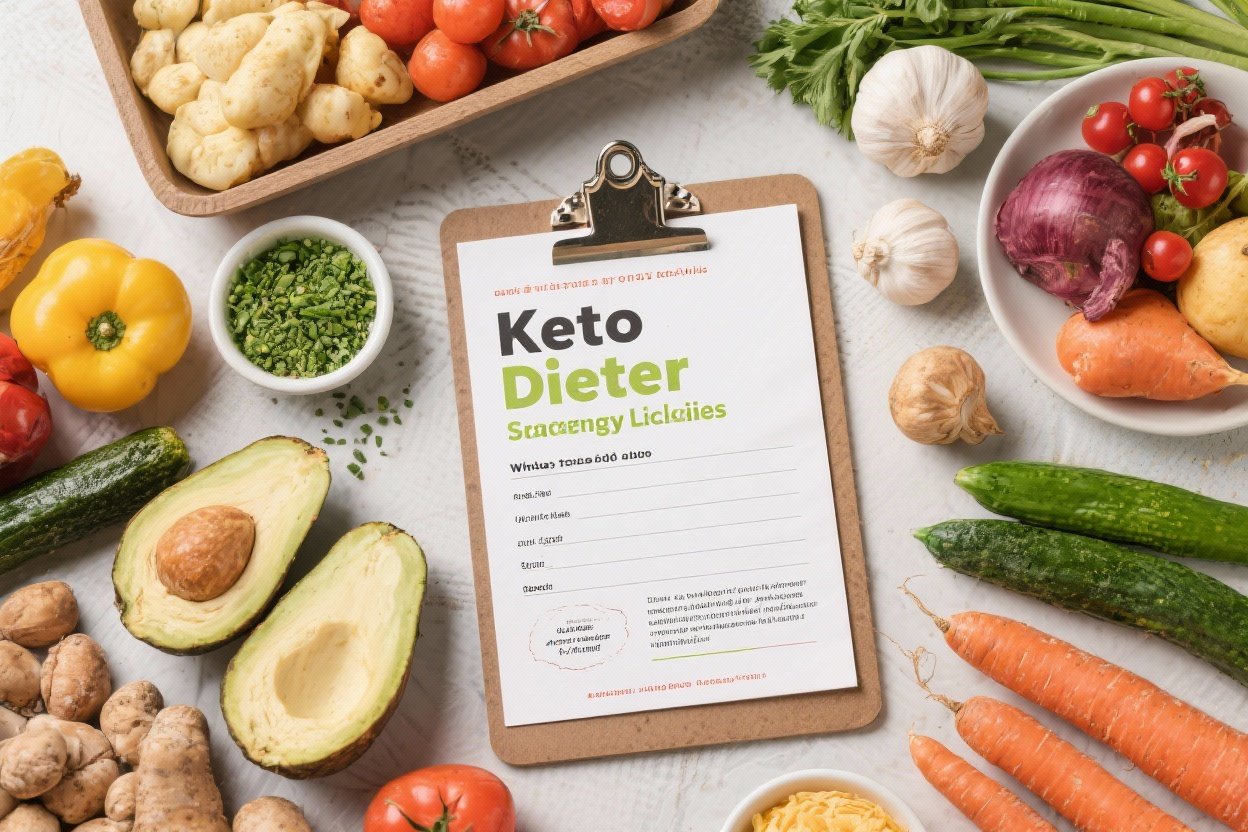

Starting keto can feel overwhelming, especially when you’re staring at crowded grocery aisles. The good news: with a clear list, shopping becomes quick and stress-free. This guide shows you exactly what to buy, what to skip, and how to build easy meals from your cart.
You’ll find simple swaps, budget-friendly picks, and time-saving tips. Think of it as your keto cheat sheet for the supermarket.
What Makes This Recipe So Good
- Clear and practical: You get a straightforward list of foods to buy and avoid, with no guesswork.
- Budget-friendly options: Plenty of choices that won’t blow your grocery budget.
- Flexible for preferences: Works for meat-eaters, pescatarians, and vegetarians with low-carb options.
- Ready-to-use: Build simple meals right from the cart—no complex recipes required.
- Helps you stay in ketosis: Focuses on low-carb, high-fat, moderate-protein foods.
What You’ll Need
- Proteins: Eggs, chicken thighs, ground beef, steak, pork chops, bacon, deli turkey (no sugar), salmon, tuna, sardines, shrimp, tofu, tempeh.
- Fats and oils: Olive oil, avocado oil, coconut oil, butter, ghee, mayonnaise (no added sugar), full-fat salad dressings (check labels).
- Low-carb vegetables: Leafy greens (spinach, arugula, romaine), kale, cabbage, cauliflower, broccoli, zucchini, asparagus, green beans, bell peppers, cucumbers, mushrooms.
- Dairy and alternatives: Heavy cream, half-and-half, full-fat Greek yogurt (unsweetened), cream cheese, hard cheeses (cheddar, parmesan), cottage cheese (check carbs), unsweetened almond or coconut milk.
- Fruits (low-carb only): Avocados, olives, berries (strawberries, raspberries, blackberries) in small portions, lemons and limes.
- Nuts and seeds: Almonds, walnuts, pecans, macadamias, pili nuts, chia seeds, flaxseeds, hemp hearts, natural nut butters (no sugar).
- Pantry staples: Canned tuna/salmon, sugar-free beef or chicken broth, coconut milk (full-fat), tomato paste (no sugar), almond flour, coconut flour, psyllium husk, low-carb tortillas (optional, check carbs), shirataki noodles.
- Condiments and flavor: Mustard, hot sauce, soy sauce or tamari, coconut aminos, pesto, sugar-free salsa, pickles (no sugar), herbs and spices, garlic, onions (use sparingly).
- Drinks: Water, sparkling water, coffee, tea, electrolyte packets (no sugar), stevia or monk fruit sweetener.
Step-by-Step Instructions
- Plan your carbs: Aim for roughly 20–30 grams of net carbs per day to start. Keep a quick list of low-carb go-tos.
- Shop the perimeter: Start with produce, meat, seafood, dairy, and eggs.
These areas usually have the least added sugars.
- Fill your cart with anchors: Choose 2–3 proteins (like chicken thighs, ground beef, salmon), a few fats (olive oil, butter), and 5–7 low-carb vegetables.
- Add quick snacks: Think cheese sticks, olives, nuts, hard-boiled eggs, beef sticks (no sugar), and pork rinds.
- Read every label: Check carbs and hidden sugars. Look for ingredients like maltodextrin, corn syrup, dextrose, honey, agave, and starches.
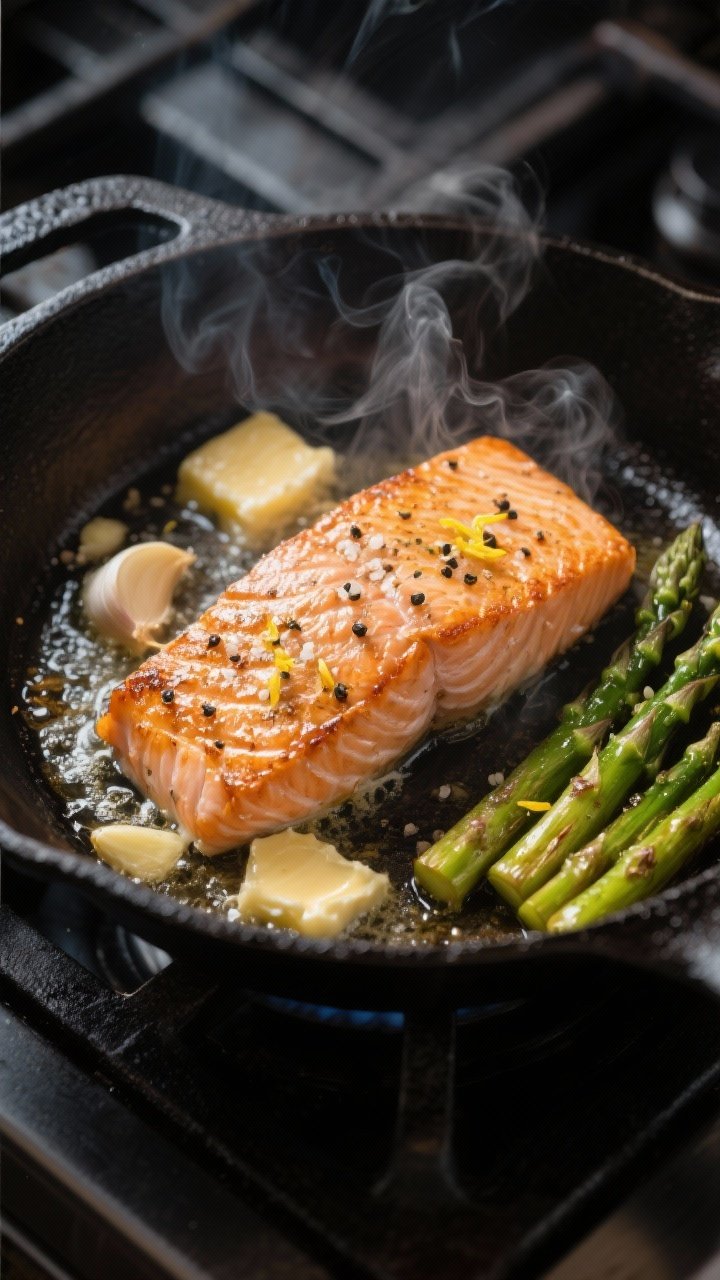
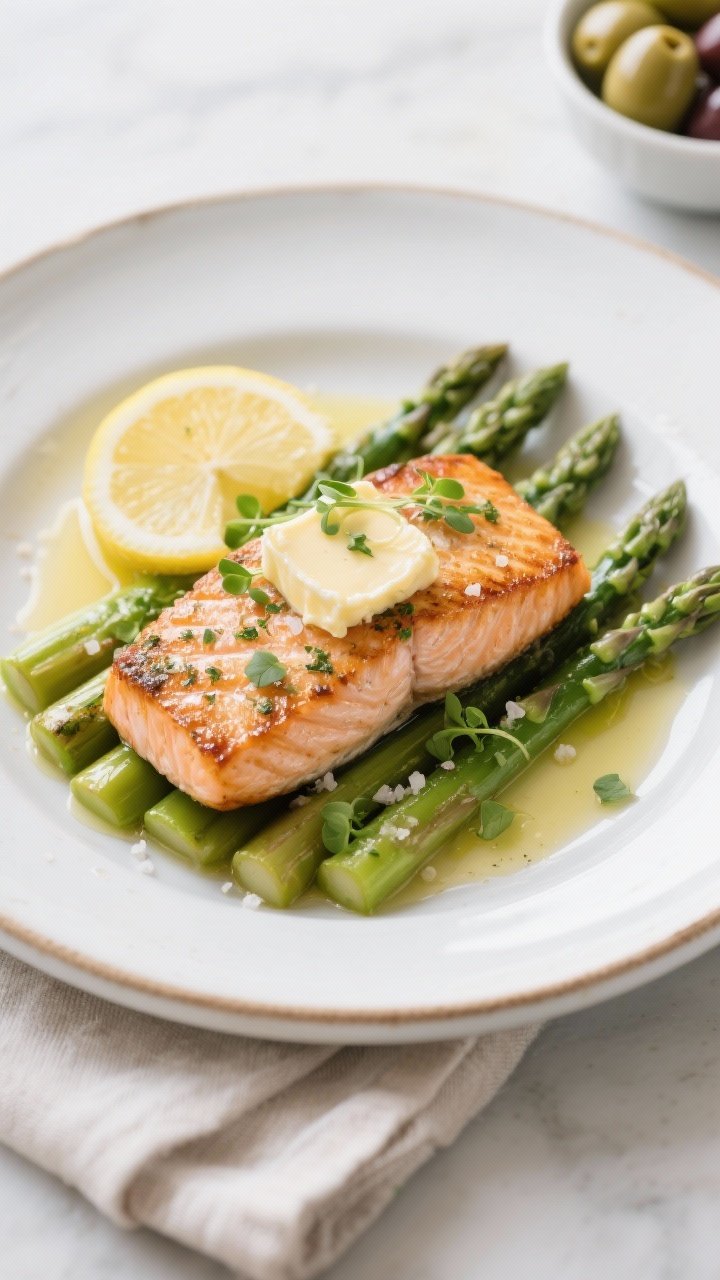
- Build simple meals: Pick one protein, one veg, and one fat. Example: salmon + asparagus + butter.
Keep prep minimal.
- Round out the pantry: Get almond flour, coconut flour, and sugar-free sauces to make low-carb swaps easy.
- Plan hydration: Include electrolytes and mineral-rich salt. Keto flu often comes from low sodium, potassium, and magnesium.
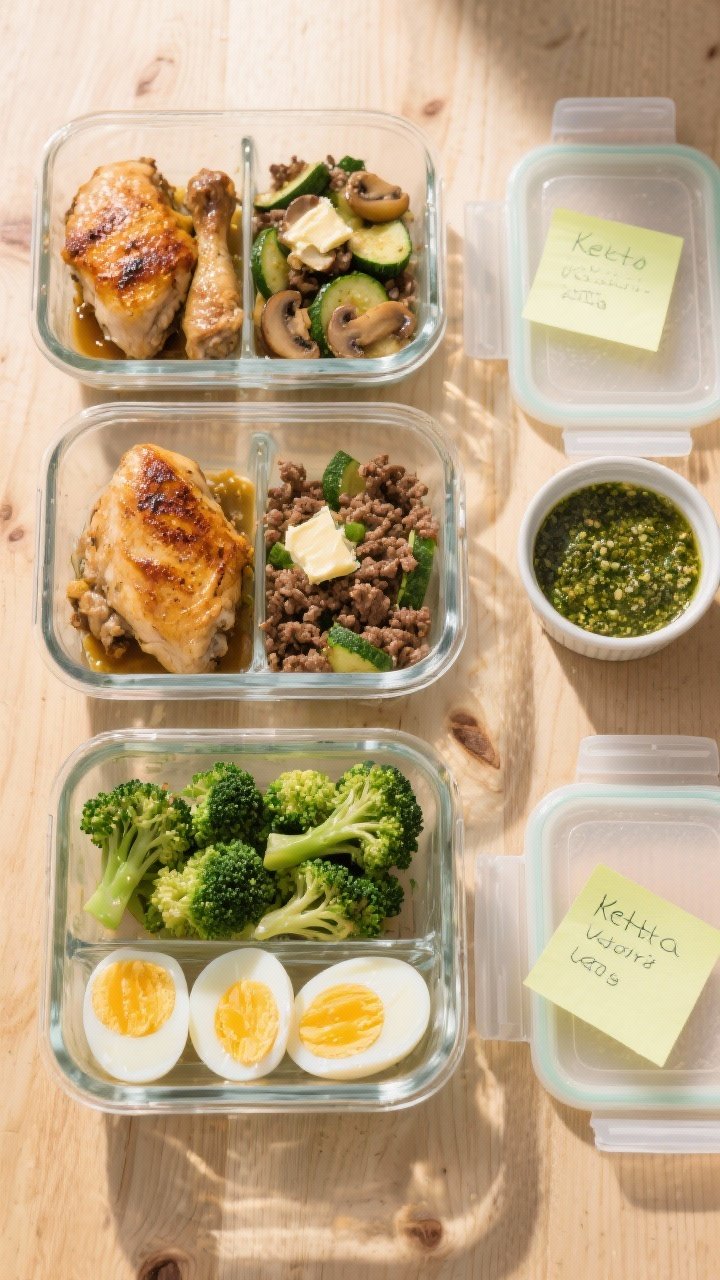
- Batch-cook basics: Roast chicken, brown ground beef, steam broccoli, boil eggs. Store for fast meals all week.
- Track and tweak: If weight loss or energy stalls, reduce net carbs or watch portion sizes on nuts, dairy, and low-carb products.
Storage Instructions
- Proteins: Refrigerate raw meats 2–3 days or freeze for up to 3 months.
Cooked meats last 3–4 days in the fridge.
- Vegetables: Store leafy greens with paper towels in containers to absorb moisture. Use within 5–7 days.
- Dairy: Keep sealed and cold. Most cheeses last 1–3 weeks; freeze shredded cheese for longer storage.
- Nuts and seeds: Store in airtight containers in a cool, dark place.
Refrigerate or freeze to prevent rancidity.
- Fats and oils: Keep oils in dark bottles away from heat. Use butter or ghee within a month of opening for best flavor.
- Meal prep: Portion cooked meals into containers. Label with dates.
Freeze soups, stews, and sauces for easy reheat.
Health Benefits
- Stable energy: Lower carbs can reduce blood sugar spikes and crashes, leading to steadier energy.
- Appetite control: Higher fat and protein promote fullness, which may help with portion control and snacking.
- Potential weight loss: Many people find it easier to maintain a calorie deficit on keto due to satiety.
- Improved metabolic markers: Some see better triglycerides, HDL cholesterol, and blood sugar levels.
- Reduced cravings: Limiting sugar often lowers overall cravings over time.
What Not to Do
- Don’t assume “low-carb” equals keto: Many products labeled low-carb still have hidden sugars or starches.
- Don’t skip electrolytes: Lack of sodium, potassium, and magnesium can cause headaches, fatigue, and cramps.
- Don’t overdo dairy and nuts: They’re calorie-dense and easy to overeat, which can stall progress.
- Don’t forget vegetables: Keto isn’t just meat and cheese. Non-starchy veggies give fiber and micronutrients.
- Don’t ignore ingredients: Always read labels; serving sizes can be misleading.
- Don’t fear fat—but be smart: Choose whole-food fats like olive oil, avocados, and salmon over heavily processed options.
Variations You Can Try
- Strict keto: Keep net carbs under 20 grams per day. Focus on meat, eggs, leafy greens, and healthy fats.
- Lazy keto: Track carbs only, not calories or macros.
Keep the grocery list simple with minimal packaged foods.
- Dairy-free keto: Use coconut milk, avocado, olive oil, and ghee (if tolerated) instead of cheese and cream.
- Pescatarian keto: Base meals around salmon, sardines, shrimp, and eggs with plenty of greens and olives.
- Vegetarian keto: Use eggs, tofu, tempeh, nuts, seeds, and full-fat dairy while keeping carbs low.
- Budget keto: Buy in bulk, choose frozen veggies, pick chicken thighs over breasts, and use canned fish.
FAQ
How many carbs should I eat on keto?
Most people aim for 20–30 grams of net carbs per day to stay in ketosis. Start there and adjust based on how your body responds.
What are net carbs?
Net carbs are total carbs minus fiber and sugar alcohols (if tolerated). For example, if a food has 10 grams of carbs and 5 grams of fiber, it has 5 net carbs.
Can I eat fruit on keto?
Yes, but in small portions.
Choose lower-carb fruits like berries, avocados, and olives. Avoid bananas, grapes, and mangoes.
What sweeteners are keto-friendly?
Stevia, monk fruit, and erythritol are popular options. Check labels for blends with fillers that can raise carbs.
Do I need special products?
Not necessarily.
Whole foods like eggs, meat, fish, leafy greens, oils, and nuts are enough. Low-carb breads and snacks are optional but read labels closely.
What causes keto flu and how do I avoid it?
Keto flu is often due to fluid and electrolyte shifts. Drink water, add mineral-rich salt, and consider magnesium and potassium from foods or supplements if needed.
Is dairy required on keto?
No.
You can do keto without dairy by using coconut milk, olive oil, avocado, and dairy-free sauces.
Can I eat out on keto?
Yes. Choose protein and non-starchy veggies, ask for butter or olive oil, and skip bread, rice, and sugary sauces.
How do I know if I’m in ketosis?
Common signs include reduced hunger, steady energy, and mental clarity. You can also use urine strips or blood ketone meters for measurement.
What should I avoid completely?
Skip sugary drinks, juices, pastries, candy, most breads and pastas, rice, potatoes, most cereals, and ultra-processed snacks with added sugars and starches.
Wrapping Up
A smart keto grocery list keeps things simple: quality proteins, healthy fats, and low-carb veggies with a few helpful staples.
Read labels, plan for electrolytes, and build easy meals from your cart. With this list in hand, you’ll shop faster, spend less, and stay on track. Keep it simple, stay consistent, and adjust as your needs change.
Printable Recipe Card
Want just the essential recipe details without scrolling through the article? Get our printable recipe card with just the ingredients and instructions.