
Starting keto can feel exciting and a little overwhelming. That first week is where you’ll notice the biggest changes—some good, some confusing, and all totally normal. Think of it as your body switching fuel sources for the first time in a while.
You’ll likely see quick shifts on the scale, changes in energy, and a few side effects as your body adapts. Here’s what to expect, how to prepare, and how to make the week go smoothly.
What Makes This Special
The first week on keto is unique because your body begins moving from burning carbs to burning fat for fuel. That switch can bring quick results, especially in water weight loss, and it sets the tone for long-term progress.

With a little planning, you can reduce side effects and feel more in control. This guide shows you exactly what to expect and how to handle it with simple steps.
Ingredients
Think of this as your “starter kit” for a successful first week on keto.
- Proteins: Eggs, chicken thighs, salmon, ground beef, turkey, tofu, tempeh
- Healthy fats: Olive oil, avocado oil, butter or ghee, avocados, olives, coconut milk
- Low-carb veggies: Spinach, kale, arugula, zucchini, cauliflower, broccoli, cucumbers, mushrooms, bell peppers
- Simple add-ins: Cheese, full-fat Greek yogurt (unsweetened), nuts, seeds, nut butters
- Flavor boosters: Salt, pepper, garlic, lemon, vinegar, mustard, herbs, spices
- Electrolytes: Sea salt, potassium-rich foods (avocado, leafy greens), magnesium supplement (optional)
- Hydration: Water, sparkling water, unsweetened tea, black coffee
How to Make It
Here’s your step-by-step plan for the first week—simple, doable, and effective.
- Set your carb limit. Aim for about 20–30 grams of net carbs per day to start. Keep protein moderate and add fat to feel satisfied.
- Stock your kitchen. Remove high-carb snacks.
Fill your fridge with proteins, leafy greens, eggs, avocados, and oils. Keep it basic.
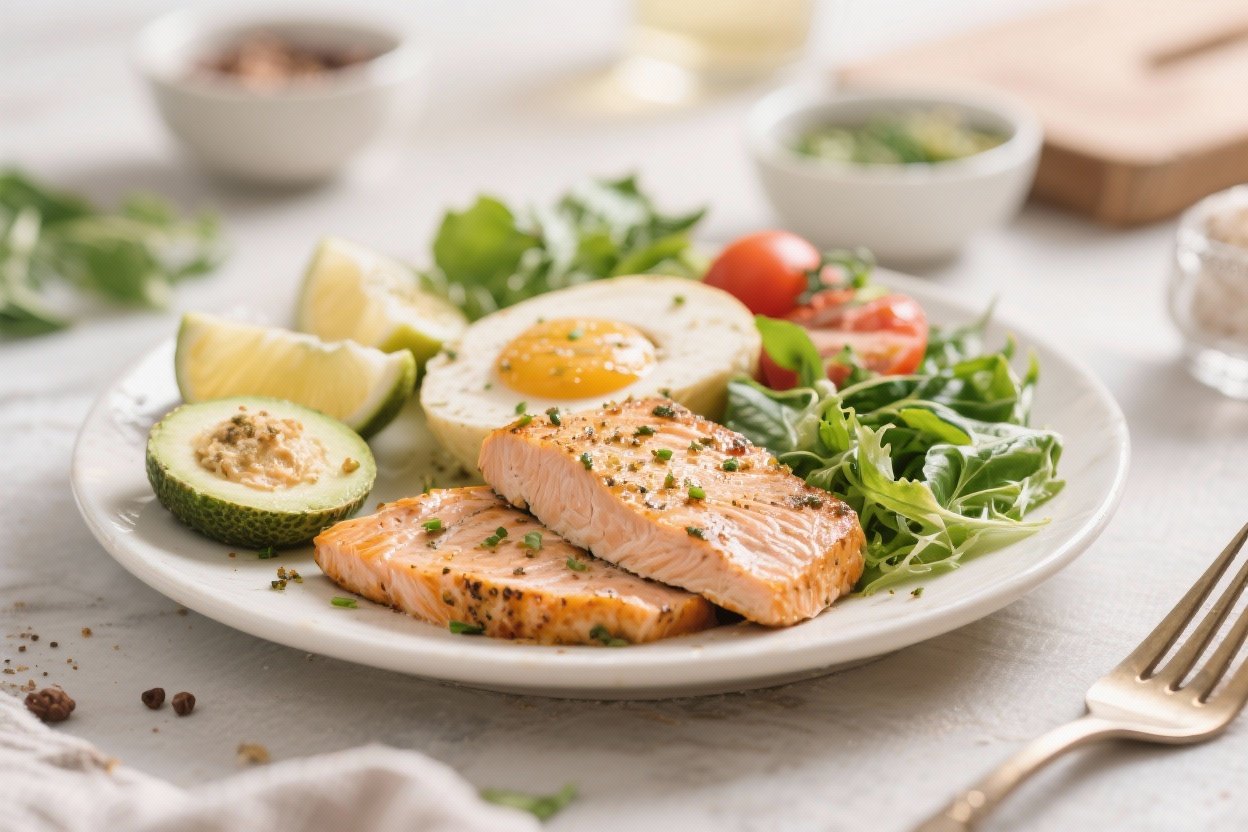
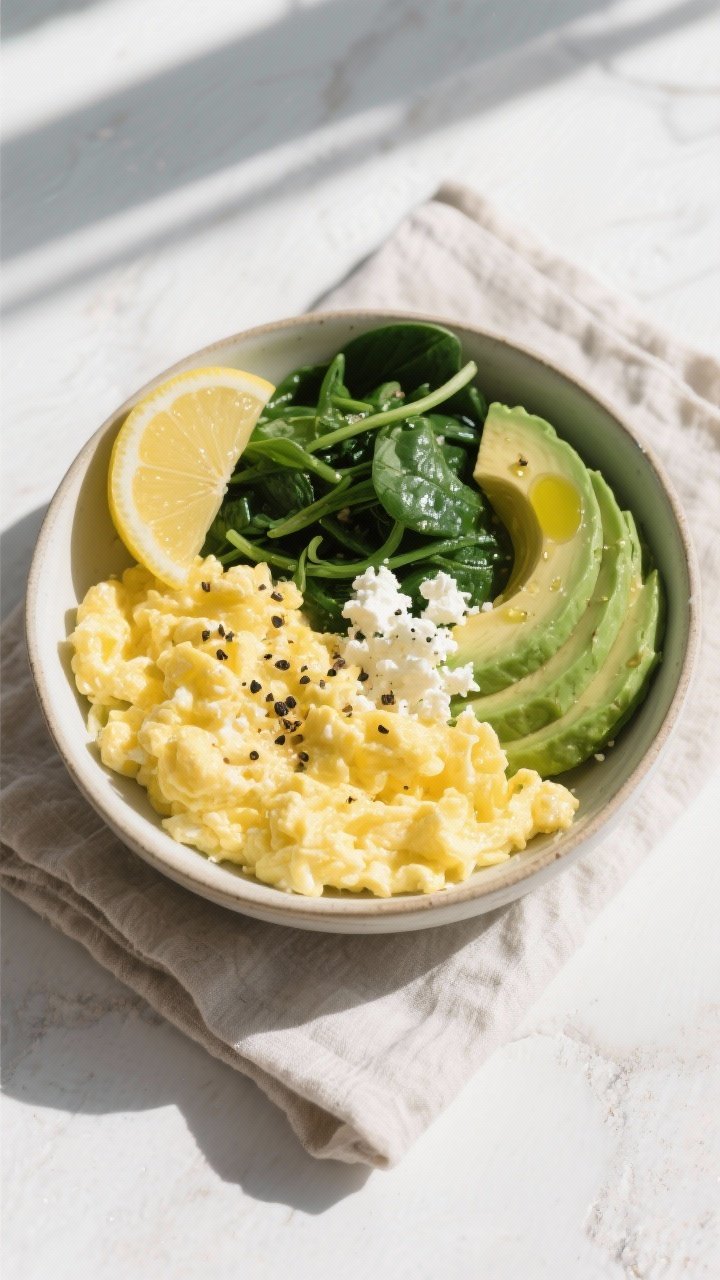
- Plan simple meals. Example day: Scrambled eggs and avocado for breakfast, leafy salad with chicken and olive oil for lunch, salmon with roasted broccoli for dinner.
- Salt your food. Add extra salt to help prevent headaches, fatigue, and muscle cramps as your body sheds water and electrolytes.
- Hydrate consistently. Drink water throughout the day. Aim for clear or pale-yellow urine.
Add a squeeze of lemon or a pinch of salt if you need it.
- Watch for “keto flu.” If you feel foggy, lightheaded, or tired, increase electrolytes: salt, magnesium, potassium-rich foods, and more water.
- Keep snacks on hand. Boiled eggs, cheese, olives, nuts, beef sticks, or cucumber with cream cheese help you stay on track.
- Move your body gently. Walks, light stretching, or easy cycling are great in week one. Save intense workouts for later if energy dips.
- Sleep and stress. Aim for 7–8 hours. Poor sleep can increase cravings and slow adaptation.
- Track results—not just weight. Note energy, appetite, mental clarity, and waist measurements.
Early wins aren’t only on the scale.
How to Store
- Cook once, eat twice. Make extra protein (grilled chicken, burger patties) and store in airtight containers for 3–4 days.
- Pre-cut veggies. Keep washed greens, sliced cucumbers, and roasted cauliflower ready to go for quick meals.
- Sauces and dressings. Mix olive oil, lemon, and mustard; store for up to a week in the fridge.
- Freezer-friendly options. Freeze cooked meatballs, soups, and chili for easy meals when energy is low.
Health Benefits
- Rapid water weight loss: In week one, many people see 2–7 pounds drop, largely from glycogen and water leaving the body.
- Reduced cravings: Lower carb intake can steady blood sugar, which may calm sugar cravings and snacking.
- Steadier energy: After a few days, many report fewer afternoon crashes and a clearer head.
- Less bloating: Cutting refined carbs and certain fibers often eases digestive puffiness.
Pitfalls to Watch Out For
- Undereating salt and electrolytes: This is the top cause of “keto flu.” Add salt and consider magnesium at night.
- Hidden carbs: Sauces, dressings, nuts, and bars can push you over your carb limit fast. Read labels.
- Too little protein: Don’t fear protein. It keeps you full and supports muscle.
Aim for a palm-sized portion at meals.
- Chasing fat without hunger: Add fat to satisfaction, but don’t force it. Your stored body fat counts too.
- All-or-nothing mindset: One slip isn’t a failure. Get back to your next low-carb meal and keep going.
Recipe Variations
If you like structure, here are easy “recipes” to mix and match all week.
- Egg + Greens Bowl: Scrambled eggs, sautéed spinach, avocado, and feta with olive oil.
- Simple Salad: Rotisserie chicken, mixed greens, cucumber, olives, olive oil, and lemon.
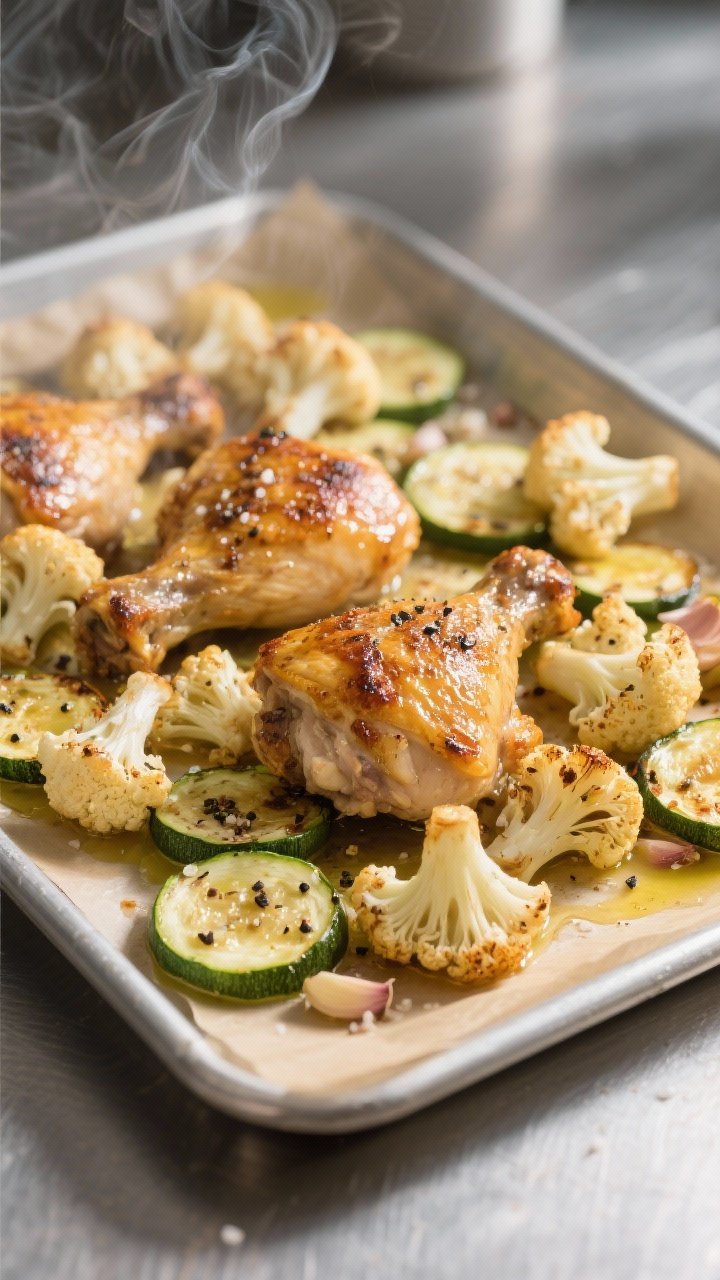
- Sheet Pan Dinner: Chicken thighs, cauliflower florets, and zucchini tossed in avocado oil, salt, pepper, and garlic.
- Bunless Burger Plate: Burger patty, cheddar, sautéed mushrooms, pickles, and a side salad.
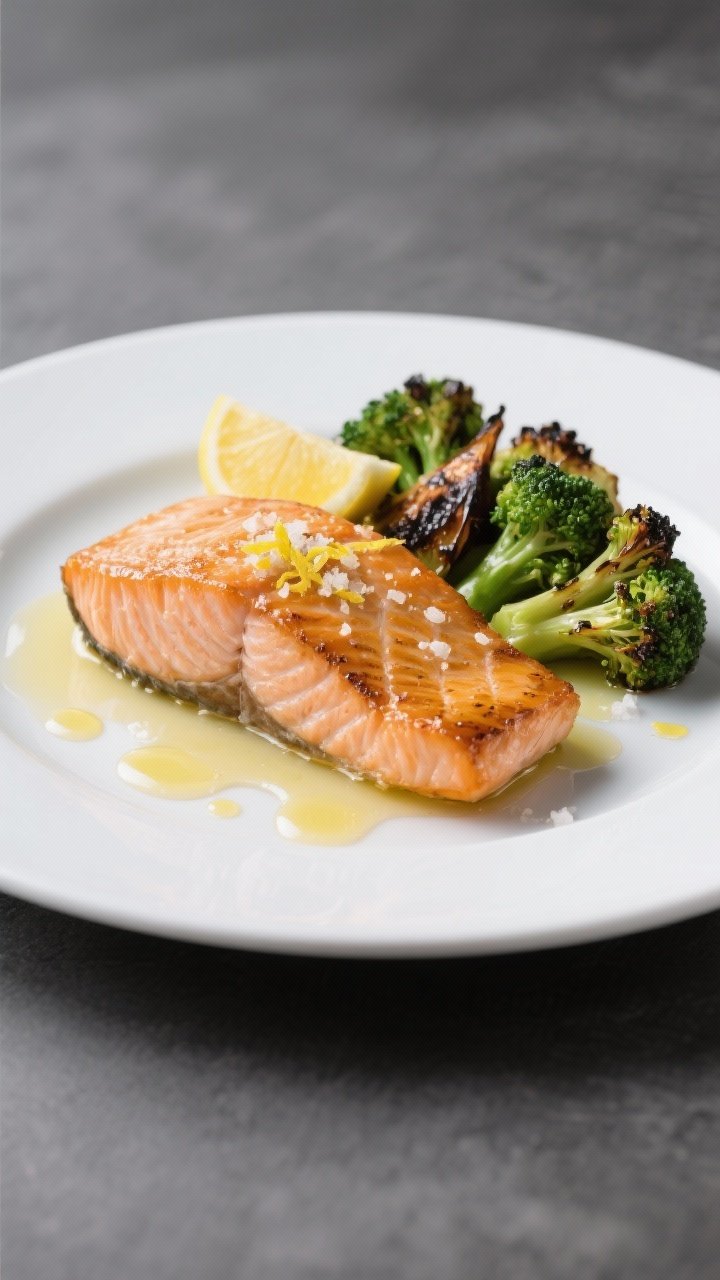
- Salmon and Broccoli: Baked salmon with butter and lemon, roasted broccoli, and a sprinkle of sea salt.
- Low-Carb Chili: Ground beef, tomatoes, peppers, spices, and zucchini instead of beans.
FAQ
How much weight will I lose in the first week?
Most people see a quick drop of 2–7 pounds, mostly water weight.
Fat loss usually becomes more steady in the weeks that follow. Your starting point, salt and water intake, and activity level all affect results.
What is “keto flu” and how do I avoid it?
It’s a cluster of symptoms—fatigue, headache, fogginess—caused by fluid and electrolyte shifts. Prevent it by salting your food, staying hydrated, and considering magnesium.
A cup of broth can help fast.
Do I need to track macros?
Not always. For week one, keeping carbs around 20–30 net grams per day and building meals around protein, low-carb veggies, and healthy fats works well. If progress stalls, tracking can help fine-tune.
Can I exercise during the first week?
Yes, but favor light activity.
Walks, mobility work, and easy rides are ideal. If you lift or do high-intensity workouts, expect a short dip in performance until your body adapts.
What if I feel really hungry?
Increase protein and add some fat for satisfaction. Focus on real food meals rather than grazing on nuts or keto treats, which can be easy to overeat.
Is keto safe for everyone?
If you have diabetes, kidney disease, liver issues, or take medications (especially for blood sugar or blood pressure), talk to your healthcare provider first.
Pregnant or breastfeeding? Get medical guidance before starting.
When will I feel more energetic?
Some people feel better within a few days, while others take one to two weeks. Consistent sleep, hydration, and electrolytes speed up the transition.
Do I need supplements?
Not required, but electrolytes help a lot.
Many people benefit from magnesium at night and a pinch of salt in water during the day. Whole foods should still be your base.
What should my first grocery list include?
Eggs, chicken or beef, salmon, leafy greens, broccoli or cauliflower, avocados, olive oil, butter, olives, cheese, nuts, and a few simple spices. Keep it basic and repeat meals to reduce decision fatigue.
Final Thoughts
Your first week on keto is about setting foundations, not perfection.
Expect fast water weight loss, possible dips in energy, and a steady improvement as your body adapts. Keep meals simple, salt your food, drink water, and focus on protein and non-starchy veggies. With a little planning, you’ll finish week one feeling more in control and ready for the next phase.