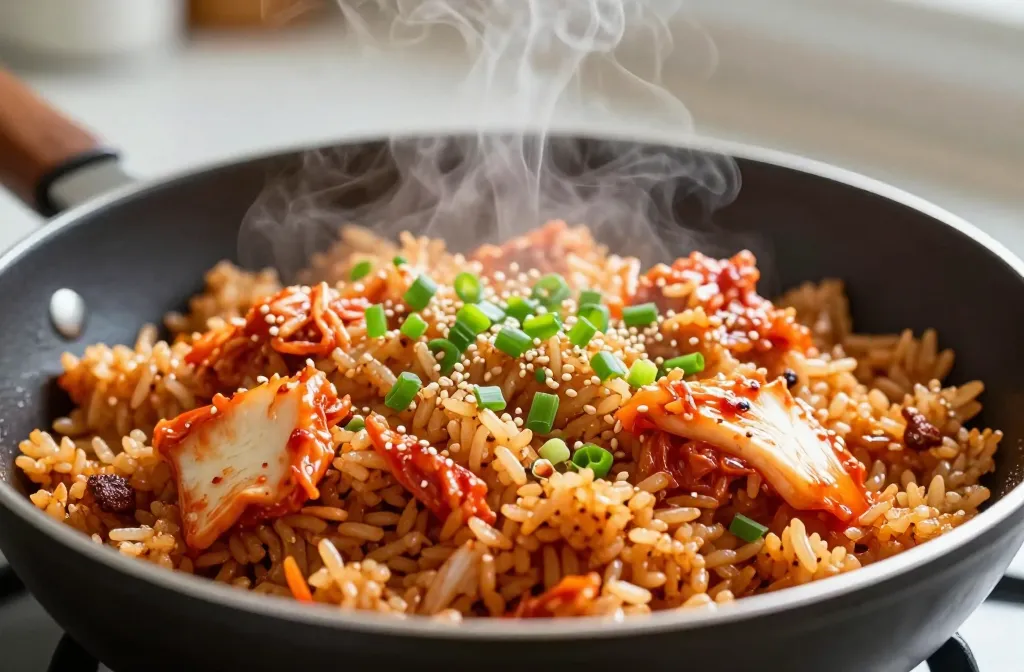

An ultra-fast, ultra-delicious dish you can throw together in minutes. If you’ve got leftover rice and a fridge full of kimchi, you’re basically halfway to a victory dinner. Let’s turn simple ingredients into something you’ll crave again tomorrow.
Why Kimchi Fried Rice Is the Ultimate Quick-Flip Dinner
Kimchi fried rice is basically the superhero of weeknights: cheap, flexible, and fiercely flavorful. You get tangy, spicy kimchi, savory caramelized bits, and a hint of garlicky goodness all in one pan. FYI, it forgives almost any pantry misstep. If you overcook the eggs, no big deal—they’ll still taste amazing.
What You Need in Your Pantry (Minimal Yet Mighty)
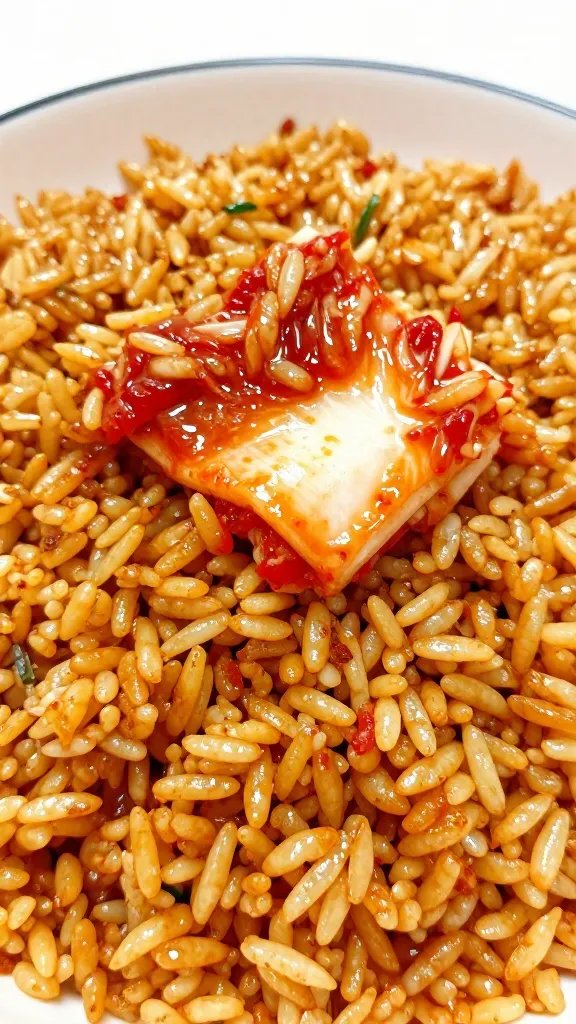
– Cooked rice (day-old works wonders)
– Kimchi (with some juice for brightness)
– Garlic and onion (or shallots if you’re fancy)
– Soy sauce or tamari
– Sesame oil
– Eggs (optional but recommended)
– Scallions for a fresh crunch
– Any add-ins you love: cooked pork, chicken, shrimp, or tofu
Optional extras that punch it up:
– Gochujang or chili paste for extra heat
– A splash of rice vinegar for brightness
– Sesame seeds for crunch
– A drizzle of honey or sugar if your kimchi is extra sour

Step-by-Step: Your 15-Minute Flavor Factory
- Heat a wok or large skillet over medium-high heat. A hot pan makes everything sing, so don’t rush this step.
- Sauté onion and garlic in a tablespoon of neutral oil until they’re fragrant and a touch translucent. Blame the garlic for your kitchen smelling amazing.
- Stir in the kimchi, along with a bit of its juice. Let it sizzle and caramelize for 2-3 minutes. This is where the magic happens—napalm of flavor, but in a good way.
- Add the cooked rice. Break up any clumps and toss to coat every grain in that pinkish, peppery goodness.
- Season with soy sauce or tamari, and a drizzle of sesame oil. If you like it spicy, add gochujang or chili paste now.
- Push the rice to one side and crack in the eggs, scrambling them quickly in the empty space. Or skip the eggs if you’re keeping it vegan.
- Fold everything together until the eggs are just set and the rice is glossy. Taste for salt and adjust if needed.
- Finish with chopped scallions and a sprinkle of sesame seeds. Serve hot and proud.
Eggs: The Sauce That Ties It All Together
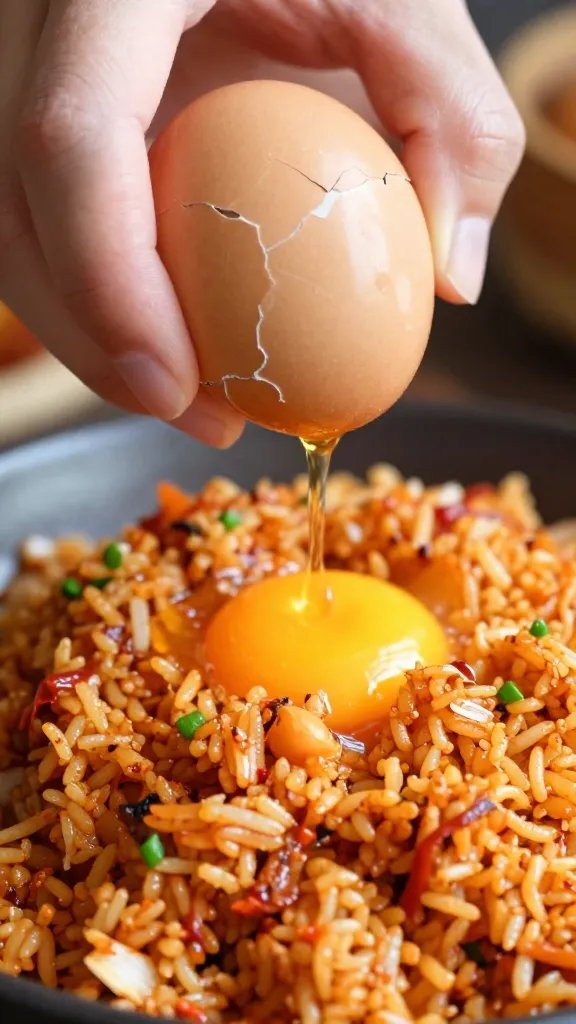
If you’re egg-curious, here are a couple of quick styles:
– Sunny-side up on top: A runny yolk that oozes into the rice—heaven.
– Scrambled into the mix: The classic approach that makes the dish feel cozy and hearty.
Either way, eggs bring protein and a creamy contrast to the tangy kimchi. FYI, don’t overcook the eggs; you want them just set, not rubbery.
How Much Rice Is Too Much?
Too much rice can make the dish feel dry. Aim for about 1 to 1.5 cups cooked rice per serving. If you’ve got leftovers, this dish loves to rescue them.
Flavor Boosts You Can’t Miss
– A splash of rice vinegar: Brightens everything and cuts through the richness.
– Extra kimchi juice: A little goes a long way to punch up the tang.
– Sesame oil drizzle: Finishes the dish with a toasty note.
– Protein upgrades: Add leftover pork, chicken, shrimp, or tofu for staying power.
– Fresh greens: Toss in spinach or bok choy at the end for color and texture.
Kimchi Variations to Try
– Traditional napa cabbage kimchi: Classic, reliable, delicious.
– Radish kimchi (kkakdugi): Adds crunch and a sharper bite.
– Spicy cucumber kimchi: Lighter, crackly, and refreshingly different.
Make-Ahead and Meal-Prep Tips
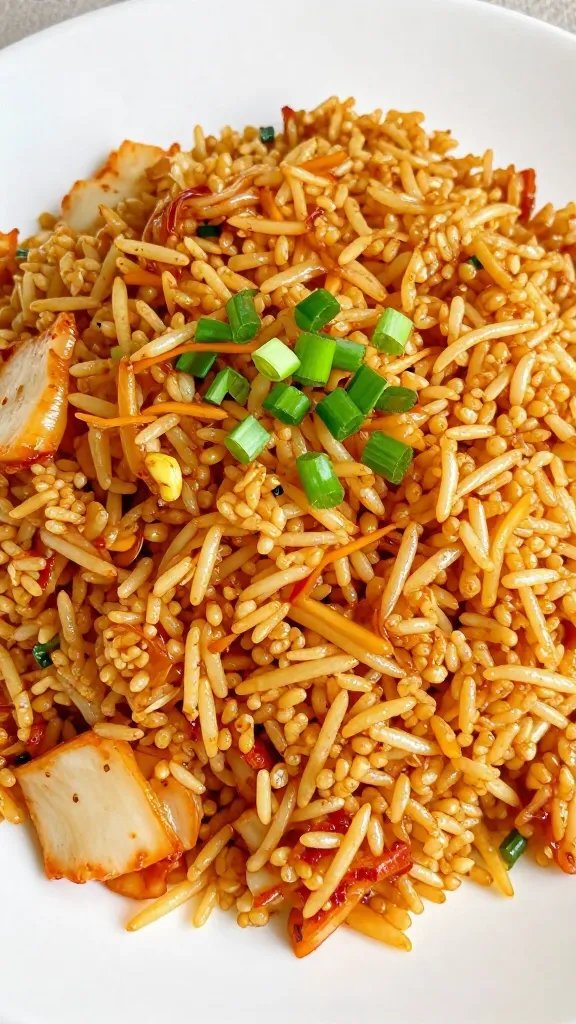
– Cook rice the day before for best texture. Refrigeration helps the grains stay separate.
– Keep kimchi and eggs ready to go in the fridge; assembly time shrinks dramatically.
– Double the batch and store in the fridge for a quick lunch. Reheat in a hot pan, adding a splash of soy to revive the gloss.
Storage Do’s and Don’ts
– Do store in an airtight container for up to 4 days.
– Don’t freeze kimchi fried rice; it tends to lose texture.
– Reheat in a skillet over medium-high heat to restore crispiness.
Serving Ideas: Plates That Impress
– Classic: A large skillet presentation with a drizzle of sesame oil and a scatter of sesame seeds.
– Bowl game: Serve in a deep bowl with a soft fried egg on top and extra scallions.
– Green twist: Add a handful of sautéed greens for color and nutrition.
FAQ
Can I make kimchi fried rice without rice?
Rice is traditional, but you can experiment with cauliflower rice as a low-carb option. It won’t have the same texture, but the kimchi punch remains strong. If you go low-carb, add a little extra protein to keep it filling.
Is kimchi fried rice spicy?
It can be, depending on your kimchi and any chili you add. Start mild, then pile on the heat if you’re feeling fearless. FYI, you control the flame levels here.
What’s the best oil for frying?
Neutral oils like canola, vegetable, or grapeseed work great. If you’re into sesame flavor, a touch of sesame oil at the end adds that nutty aroma without burning.
Can I freeze kimchi fried rice?
Not recommended. Reheated rice can turn mushy and the kimchi texture changes. It’s best fresh, or refrigerate for up to 4 days and reheat in a hot pan.
What if I don’t have kimchi?
Use pickled vegetables or a splash of miso for a different but still delicious flavor profile. The dish adapts—it’s a chameleon in a skillet.
Can I add cheese or other toppings?
Cheese isn’t traditional, but if you’re curious, a light sprinkle of grated cheese on top melts nicely in a pinch. It won’t be classic kimchi fried rice, but it can be a fun twist.
Conclusion: Your Quick, Flavor-Pilled Meal Is Ready
If you’ve got a craving and a minute to spare, this kimchi fried rice delivers. You get tangy, savory, spicy notes in every bite, with the comfort of a homemade hug in a pan. IMO, it’s impossible to mess up, as long as you keep the rice grains separate and the pan hot. Next time you’re staring at leftovers, consider this dish as your go-to winner. Ready to cook, friend?