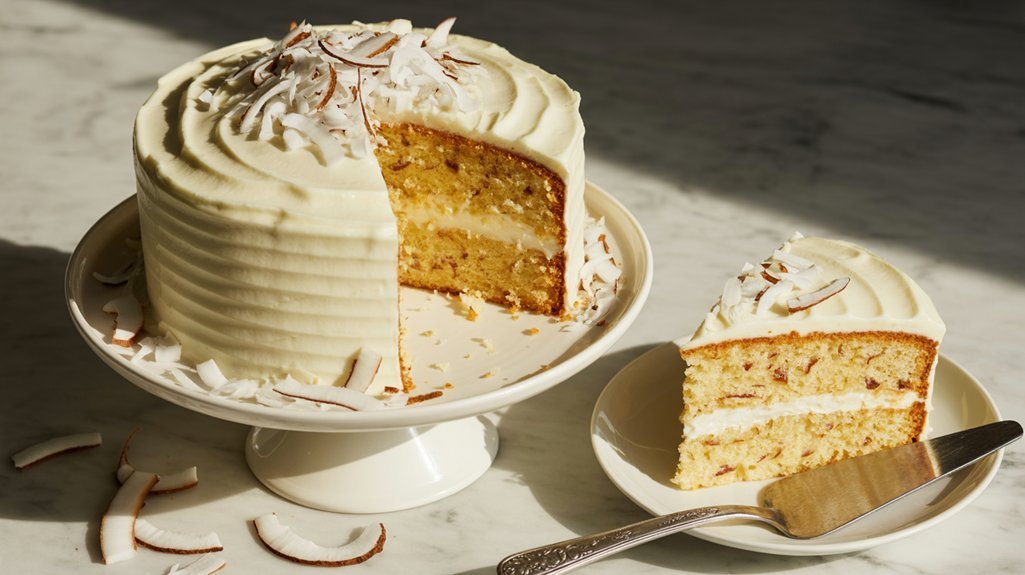

You’ve probably searched countless recipes for that perfect coconut cake—the kind that’s impossibly fluffy yet rich with coconut flavor. Most recipes either fall flat or turn out dense and heavy, leaving you disappointed with store-bought texture. This homestyle version changes everything with a simple technique that transforms basic pantry ingredients into bakery-quality layers. The secret isn’t exotic ingredients or complicated methods, but rather understanding how proper creaming and ingredient temperature create magic.
Why You’ll Love This Dish
Whether you’re celebrating a special occasion or simply craving something sweet, this coconut cake delivers pure comfort in every bite. You’ll discover the perfect balance of moist, tender crumb and tropical coconut flavor that makes this recipe a true comfort food classic. The cake’s texture delight comes from its incredibly fluffy interior paired with delicate coconut flakes throughout. You won’t need fancy ingredients or complicated techniques—just simple pantry staples that create extraordinary results. This homestyle recipe produces consistent, bakery-quality results every time, making it your go-to dessert for impressing family and friends with minimal effort.
Ingredients
This classic coconut cake requires just a handful of simple ingredients that you likely already have in your pantry. The recipe creates a beautifully moist and flavorful cake that showcases the tropical essence of coconut while maintaining the traditional comfort of a homestyle dessert.

- 3 cups sugar
- 3/4 cup shortening
- 4 eggs
- 3/4 cup coconut
- 4 1/2 cups flour
- 4 1/2 teaspoons baking powder
- 3/4 teaspoon salt
- 1 1/2 cups milk
- 1 1/2 teaspoons vanilla
When selecting ingredients for this recipe, make sure your eggs are at room temperature for better incorporation into the batter. The coconut can be either sweetened or unsweetened flakes depending on your preference, though sweetened coconut will add extra moisture and sweetness to the final cake. Use all-purpose flour for the best texture, and make sure your baking powder is fresh for ideal rise. The shortening provides stability and moisture, but you can substitute with an equal amount of butter if preferred, though this may slightly alter the texture.
Directions
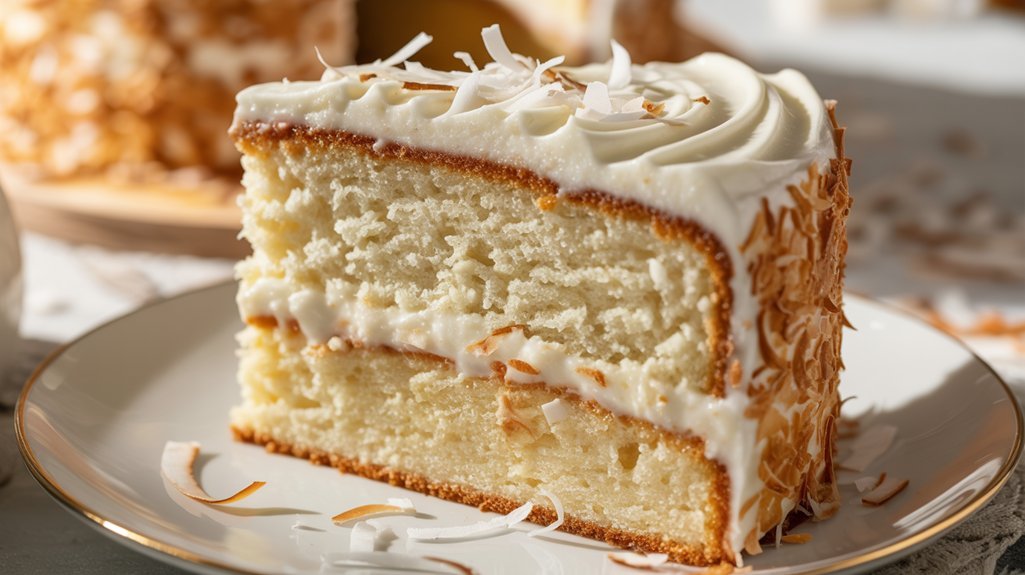
Start by preheating your oven to 350 degrees Fahrenheit and preparing two 9-inch round cake pans by greasing them thoroughly and lightly dusting with flour. In a large mixing bowl, cream together the 3 cups of sugar and 3/4 cup of shortening until the mixture becomes light and fluffy, which typically takes about 3-4 minutes with an electric mixer. Add the 4 eggs one at a time, beating well after each addition to guarantee proper incorporation. Once the eggs are fully mixed in, fold in the 3/4 cup of coconut until evenly distributed throughout the batter.
In a separate bowl, sift together the 4 1/2 cups of flour, 4 1/2 teaspoons of baking powder, and 3/4 teaspoon of salt. Combine the 1 1/2 cups of milk with the 1 1/2 teaspoons of vanilla in a measuring cup. Add the dry ingredients to the creamed mixture alternately with the milk and vanilla mixture, beginning and ending with the dry ingredients. Mix just until combined after each addition to avoid overworking the batter, which can result in a tough cake.
Divide the batter evenly between the prepared cake pans, smoothing the tops with a spatula. Bake for 30 to 35 minutes, or until a toothpick inserted into the center comes out clean. The tops should be golden brown and spring back lightly when touched. Allow the cakes to cool in the pans for about 10 minutes before turning them out onto wire racks to cool completely before frosting.
Substitutions and Variations
While this classic coconut cake recipe delivers wonderful results as written, you can easily customize it to suit your preferences or dietary needs. For allergen alternatives, substitute dairy milk with coconut or almond milk, and replace eggs with flax eggs or applesauce. You can swap shortening for butter or coconut oil for richer flavor. Try regional twists like adding lime zest for tropical flair, or fold in toasted coconut flakes for extra texture. Replace vanilla with rum extract for Caribbean inspiration, or incorporate cream cheese frosting instead of traditional buttercream for Southern-style decadence.
Additional Things To Serve With This Dish
Coconut cake pairs beautifully with a variety of complementary flavors and beverages that enhance its tropical sweetness. You’ll love serving fresh berries like strawberries or blueberries alongside each slice for added color and tartness. Try pairing it with Mango Salsa for an unexpected tropical twist that complements the coconut perfectly. Lemon Curd makes an excellent accompaniment, providing bright citrus notes that balance the cake’s richness. Consider serving coffee, tea, or tropical fruit juices as beverages. Vanilla ice cream or whipped cream also work wonderfully, especially when you’re hosting dinner parties or special celebrations.
Final Thoughts
Whether you’re baking for a special occasion or simply craving something sweet, this coconut cake recipe delivers consistently delicious results that’ll impress your family and guests. This timeless dessert’s recipe origins trace back to traditional Southern baking, where coconut was prized for its tropical sweetness and texture. You’ll find this cake stays moist for days when properly stored. For ideal freshness, follow these storage tips: cover tightly and refrigerate for up to five days, or freeze unfrosted layers for three months. You’ve now mastered a classic that’ll become your go-to celebration cake for years ahead.

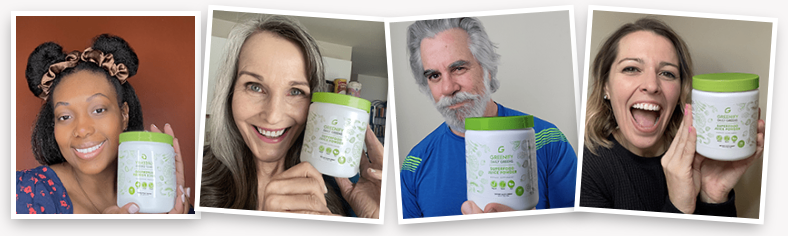
The Longevity Nutrition Kit
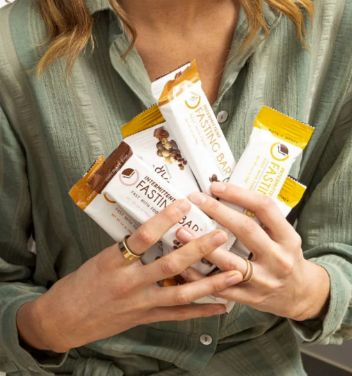
Support longevity, weight management, and cellular renewal with a flexible, science-backed
nutrition program—designed to fit your lifestyle. The Longevity Nutrition Kit brings together
convenient fasting bars and expert guidance to help you stay consistent with your wellness goals.
Why You’ll Love It
-
✓
A simple, daily nutrition solution -
✓
Clinically proven to support healthy aging -
✓
Works with any fasting or eating routine -
✓
Comes with expert guidance and meal planners
If you want an easy way to stay on track with fasting, support healthy aging, and simplify your
daily nutrition, the Longevity Nutrition Kit is a smart, time-saving option to keep in your pantry.


Printable Recipe Card
Want just the essential recipe details without scrolling through the article? Get our printable recipe card with just the ingredients and instructions.