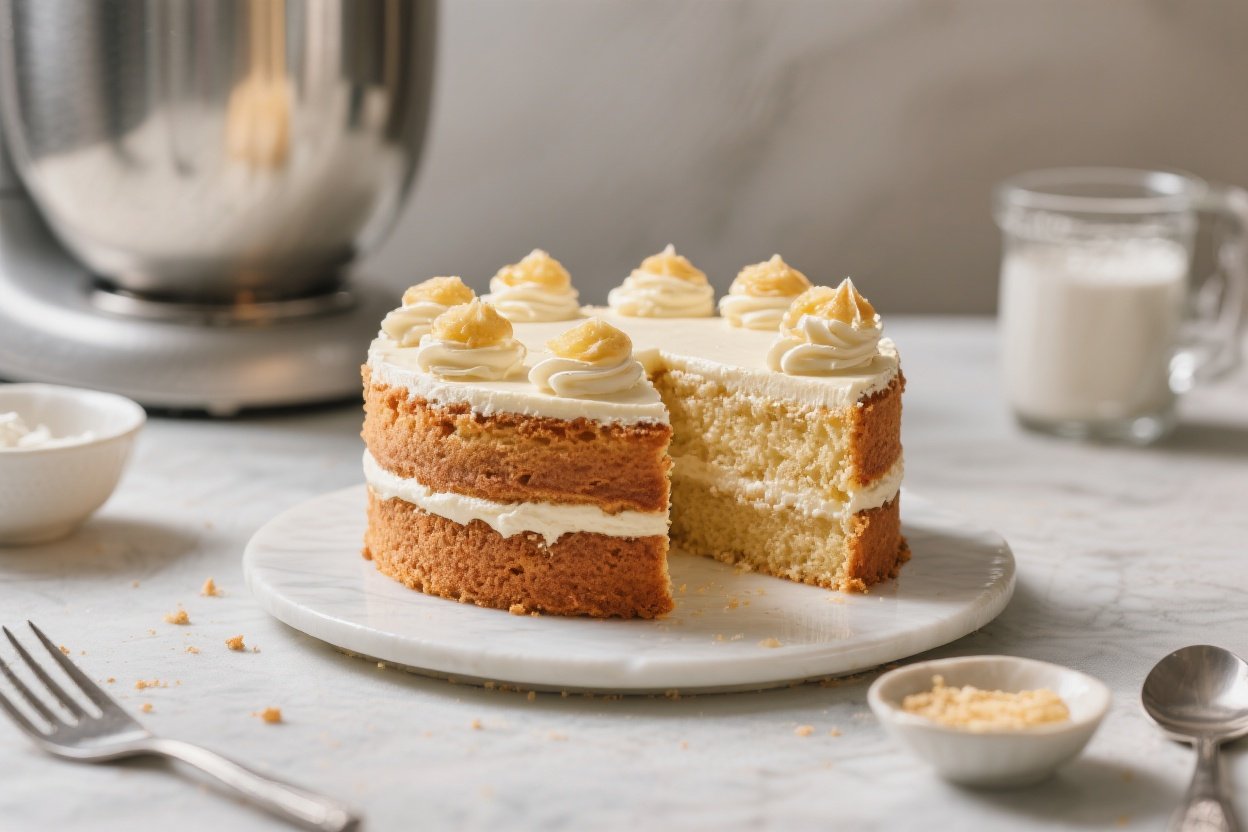

If you’ve ever skipped baking because you don’t own a stand mixer, this one’s for you. You can absolutely bake a soft, tender cake with nothing more than a bowl, a whisk, and a spatula. No fancy tools, no special techniques—just simple steps and pantry ingredients.
This guide walks you through an easy, no-mixer vanilla cake and shows you how to tweak it for chocolate, lemon, or spice. You’ll get a bakery-style crumb and great flavor without any fuss.

Why This Recipe Works
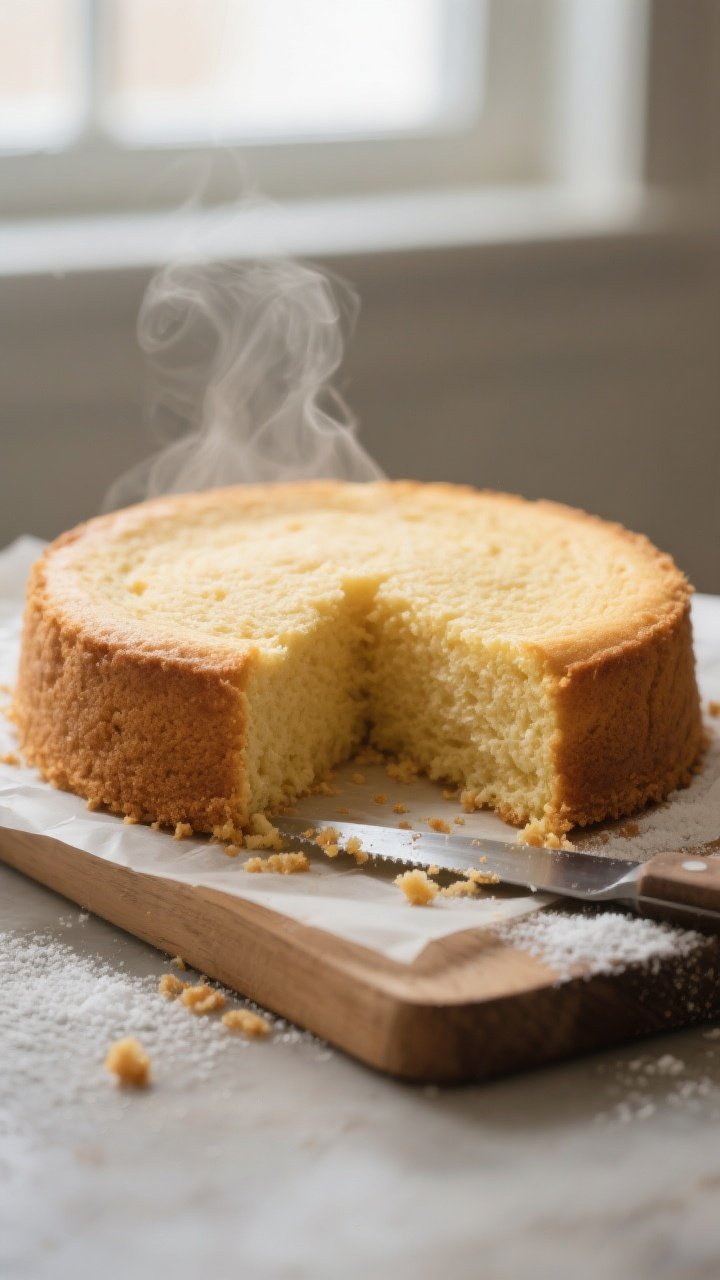
Using oil instead of butter keeps the cake moist and makes mixing by hand easy. A whisk and a spatula do all the work in minutes—no creaming butter, no extra bowls.
The batter relies on eggs, oil, and milk for structure and tenderness, while baking powder gives a reliable lift. A tiny splash of vinegar or lemon juice brightens flavor and helps the rise. The result is a soft, even crumb that’s forgiving, whether you’re a beginner or just short on equipment.
Ingredients
- 1 3/4 cups (220g) all-purpose flour
- 1 cup (200g) granulated sugar
- 2 teaspoons baking powder
- 1/2 teaspoon baking soda
- 1/2 teaspoon fine salt
- 2 large eggs, room temperature
- 3/4 cup (180ml) milk, room temperature (dairy or unsweetened non-dairy)
- 1/2 cup (120ml) neutral oil (canola, vegetable, or light olive)
- 2 teaspoons vanilla extract
- 2 teaspoons white vinegar or lemon juice
- Optional: 1/4 cup (60ml) sour cream or plain yogurt for extra moisture
How to Make It
- Prep your pan and oven: Heat oven to 350°F (175°C).
Grease and line an 8-inch round or 9-inch square pan with parchment. Lightly flour the sides if not using parchment.
- Whisk dry ingredients: In a large bowl, whisk flour, sugar, baking powder, baking soda, and salt until evenly combined. This step keeps lumps away without a sifter.
- Mix wet ingredients: In a second bowl or large measuring cup, whisk eggs, milk, oil, vanilla, and vinegar (plus sour cream or yogurt if using) until smooth and uniform.
- Combine: Pour the wet mixture into the dry.
Whisk gently until mostly smooth, then switch to a spatula to scrape the bowl. A few small lumps are fine. Don’t overmix—stop as soon as you no longer see dry flour.
- Rest the batter (briefly): Let it sit for 2 minutes to relax bubbles and hydrate the flour. This helps an even crumb without a mixer.
- Bake: Pour into the prepared pan and smooth the top.
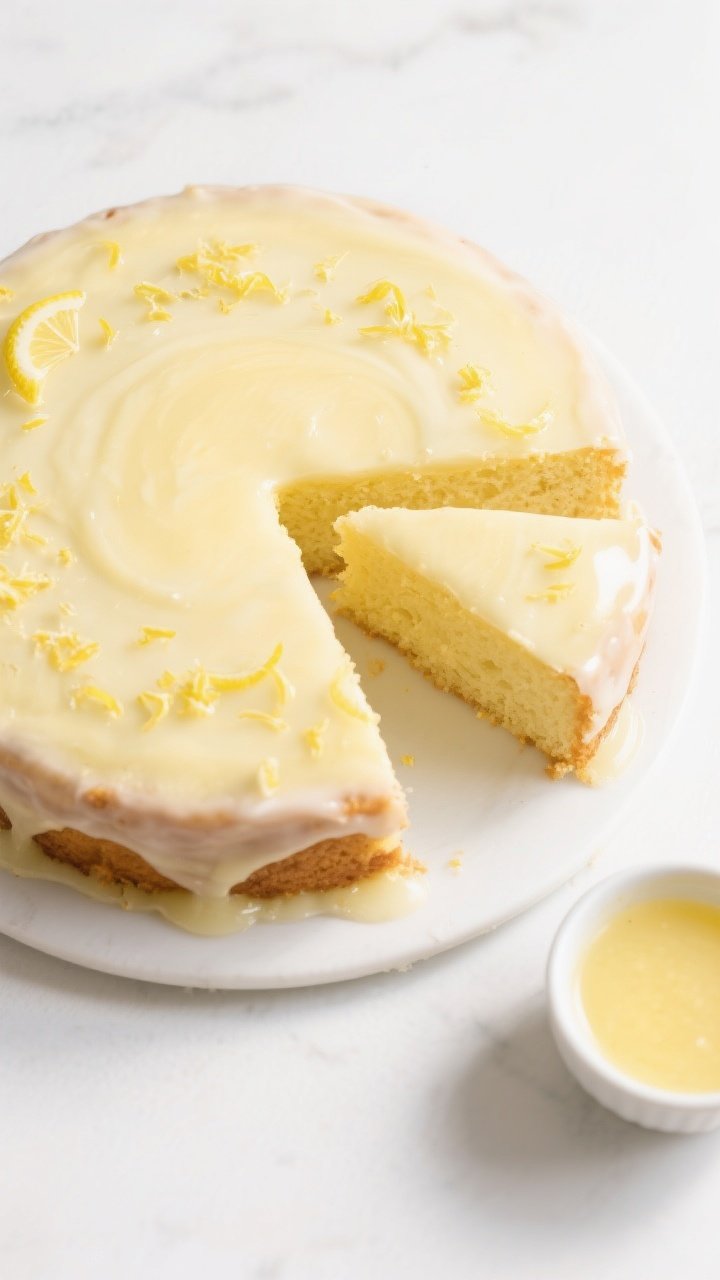
Bake 25–32 minutes, until the center springs back and a toothpick comes out with just a few moist crumbs.
- Cool: Let the cake cool in the pan for 10 minutes, then lift out to a rack. Cool completely before frosting or dusting with powdered sugar.
- Finish: Keep it simple with a quick glaze, a dusting of sugar, or a swipe of jam and whipped cream. Or leave it plain—it’s great as a snack cake.
Storage Instructions
- Room temperature: Wrap tightly or store in an airtight container for up to 2 days.
- Refrigerator: Store covered for up to 5 days.
Let slices come to room temp before serving for best texture.
- Freezer: Wrap whole cake or slices in plastic and then foil. Freeze up to 2 months. Thaw wrapped at room temperature.
- Frosted cakes: Buttercream-frosted cakes keep best chilled.
Glazed cakes store well at room temp once set.
Benefits of This Recipe
- No special equipment: Just a whisk and a bowl—perfect for small kitchens or quick bakes.
- Foolproof texture: Oil-based batter gives a moist, tender crumb even if slightly overbaked.
- Flexible ingredients: Works with dairy or non-dairy milk and accepts many flavor add-ins.
- Quick cleanup: Two bowls, minimal utensils, and no mixer parts to wash.
- Everyday pantry-friendly: Uses simple staples you likely already have.
What Not to Do
- Don’t overmix: Vigorous stirring develops gluten and makes the cake tough. Stop as soon as the flour disappears.
- Don’t skip room temperature eggs and milk: Cold ingredients can make the batter curdle and bake unevenly.
- Don’t open the oven too early: Wait at least 20 minutes before checking. Early peeking can deflate the rise.
- Don’t overbake: Start checking at 25 minutes.
A dry cake usually means it went a few minutes too long.
- Don’t grease only without lining: If your pan sticks, you’ll lose the bottom. Parchment makes release foolproof.
Recipe Variations
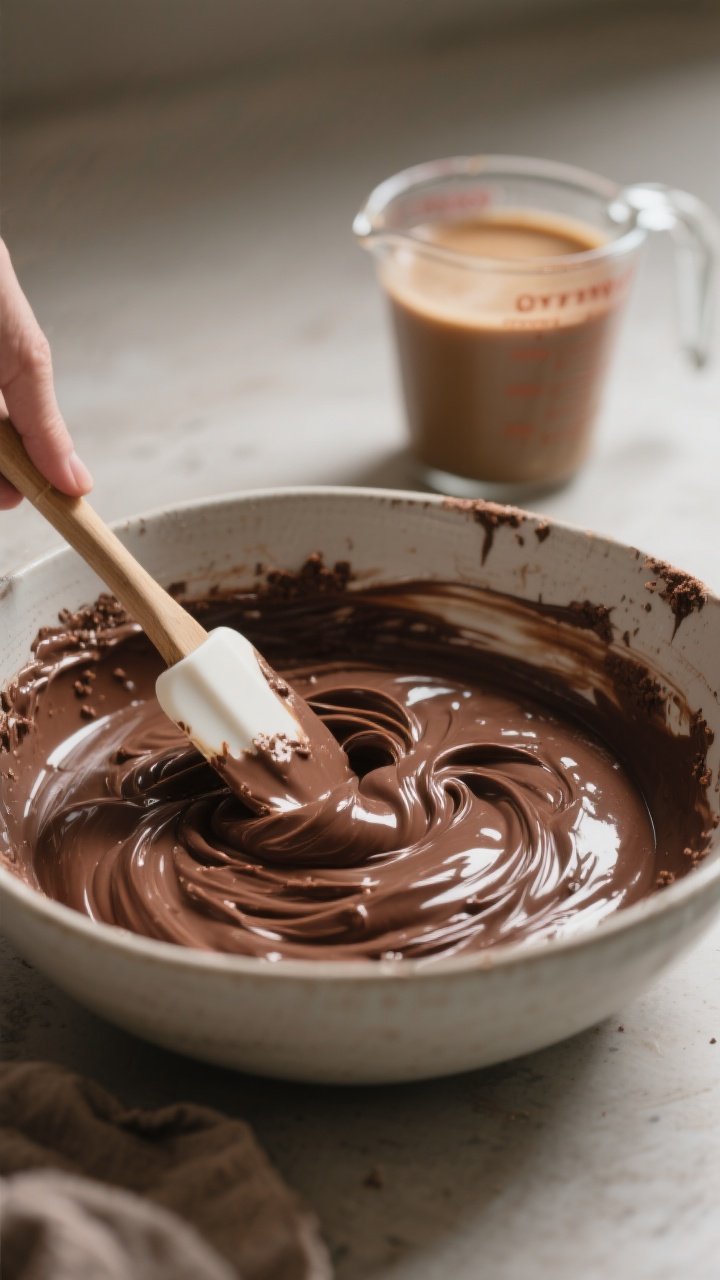
- Chocolate Cake: Replace 1/3 cup (40g) of the flour with unsweetened cocoa powder. Add 2 more tablespoons sugar.
Use hot coffee instead of milk for deeper flavor.
- Lemon Cake: Add 1 tablespoon lemon zest and swap half the milk for fresh lemon juice. Glaze with powdered sugar and lemon juice.
- Spice Cake: Add 1 teaspoon ground cinnamon, 1/4 teaspoon nutmeg, and 1/4 teaspoon ginger. Fold in 1/2 cup chopped walnuts or raisins if you like.
- Funfetti: Stir in 1/3 cup rainbow sprinkles right before baking.
Use clear vanilla for that classic bakery note.
- Coconut: Swap milk for coconut milk and fold in 1/2 cup shredded coconut. Add a touch of almond extract.
- Marble: Split batter in half. Whisk 2 tablespoons cocoa and 1 tablespoon milk into one half.
Swirl together in the pan.
- Berry Snack Cake: Fold in 1 cup fresh or frozen blueberries tossed with 1 tablespoon flour to prevent sinking.
FAQ
Can I make this cake without eggs?
Yes. Replace each egg with 1/4 cup unsweetened applesauce or 3 tablespoons aquafaba (chickpea liquid). Add an extra 1/4 teaspoon baking powder to help with lift.
The texture stays moist and soft.
What oil works best?
Use a neutral oil like canola, vegetable, or grapeseed. Light olive oil also works and adds a subtle fruitiness. Avoid strongly flavored oils like extra-virgin olive oil unless you want that flavor in the cake.
Can I use whole wheat flour?
Use half whole wheat and half all-purpose to keep the crumb tender.
If going 100% whole wheat, add 2 tablespoons extra milk and let the batter rest 5 minutes before baking.
How do I make cupcakes instead?
Divide batter into a lined 12-cup muffin tin, filling each about two-thirds full. Bake at 350°F (175°C) for 16–20 minutes, until set and lightly golden.
Do I need to sift the dry ingredients?
No. A thorough whisk blends everything and breaks up small clumps.
If your flour is very compacted, you can sift, but it’s not required.
How do I know it’s done?
The top should spring back when gently pressed, and a toothpick should come out with a few moist crumbs, not wet batter. Edges may lightly pull away from the pan.
Can I frost this cake without a mixer?
Yes. Make a simple glaze with powdered sugar, milk, and vanilla, whisked until smooth.
Or try a cocoa glaze, lemon icing, or spreadable ganache made by whisking warm cream into chopped chocolate.
Why add vinegar or lemon juice?
It brightens flavor and reacts with baking soda for a better rise. You won’t taste it in the final cake; it simply helps with tenderness and lift.
Can I double the recipe?
Yes. Bake in a 9×13-inch pan for 28–36 minutes.
Check frequently near the end, as oven times vary. For layers, divide into two 8-inch pans and reduce baking time slightly.
How do I prevent a domed top?
Don’t overfill the pan, bake on the middle rack, and avoid hot spots. If needed, level the cooled cake with a serrated knife before frosting.
Baking strips around the pan can also help even heat.
Final Thoughts
Baking a great cake doesn’t require a stand mixer or fancy gear. With a whisk, a bowl, and this simple recipe, you’ll get a tender crumb and dependable rise every time. Keep it classic with vanilla, or use the variations to match your mood and pantry.
Once you try a no-mixer cake, you may find it becomes your weeknight—and weekend—go-to.
Printable Recipe Card
Want just the essential recipe details without scrolling through the article? Get our printable recipe card with just the ingredients and instructions.